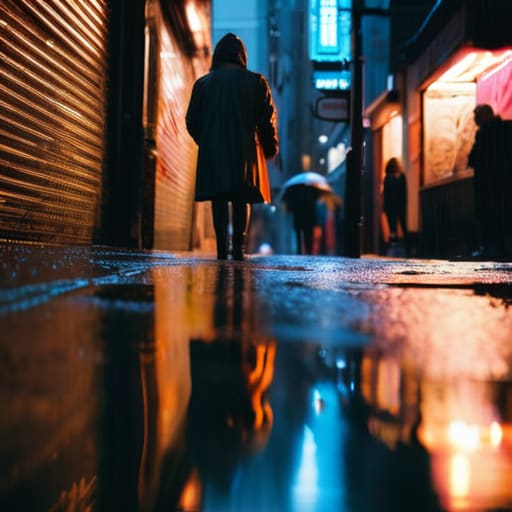
I remember standing in a drafty community hall in South Wales twenty years ago, clutching a camera that felt like a lead brick, watching a subject walk out of the frame because I’d spent ten minutes fussing with a tripod instead of watching the light. People love to talk about how documentary shooting differs by listing sensor specs or bitrates, as if a better dynamic range will somehow make a subject trust you. It won’t. The truth is, the difference isn’t found in a gear catalog; it’s found in the uncomfortable space between your setup and the reality of the room.
I’m not here to sell you a subscription to a specialized lens kit or tell you that you need a cinema rig to capture truth. What I want to do is strip away the technical noise and talk about the actual mechanics of the craft—the way you manage your distance, how you read a room’s existing light, and how you prepare for the moments you can’t control. I’ll show you how to build a workflow that prioritizes coverage and patience over expensive gadgets, because at the end of the day, the best gear is the one that stays out of the way of the story.
Forget the Script How Documentary Shooting Differs From Control
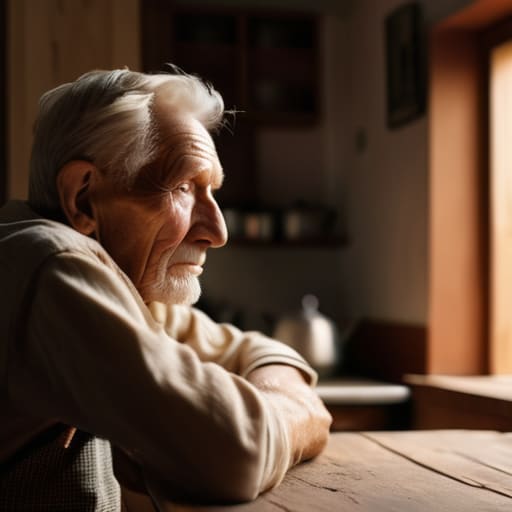
In narrative work, I spend my mornings arguing with a director about the exact placement of a key light to hit an actor’s cheekbone just right. We build the world, frame by frame, until the reality we’ve manufactured is seamless. But in an observational documentary style, that luxury vanishes. You aren’t building a world; you are trying to inhabit one that is already moving, breathing, and occasionally ignoring you. You can’t tell a subject to “do that again, but with more grief,” and if you try, you’ve already lost the truth of the moment.
The real shift in documentary vs narrative cinematography isn’t just about the lack of a storyboard; it’s about the mental pivot from architect to ghost. You have to master unscripted camera movement, learning how to pivot and reframe without the heavy, mechanical precision of a studio set. It’s a constant negotiation between staying out of the way and being close enough to catch the micro-expressions that actually tell the story. You aren’t looking for the “perfect” shot anymore—you’re looking for the honest one, and usually, that requires more sweat and less tripod than you’d expect.
The Art of Distance Mastering Observational Documentary Style
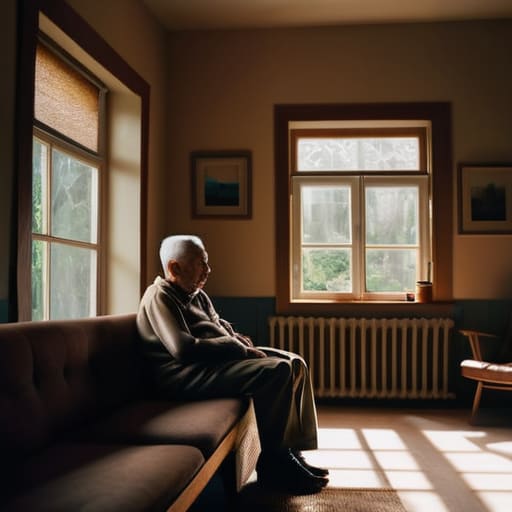
In narrative work, you’re usually inches from the actor’s face, precisely positioned to catch a specific tear or a micro-expression. In an observational documentary style, you’re often playing a game of inches in the opposite direction. You aren’t there to dictate the emotion; you’re there to wait for it to happen. This means your setup isn’t about finding the most flattering angle, but finding the distance where you can witness the truth without becoming a ghost in the room. If you’re too close, you’re an intruder; if you’re too far, you’re just a voyeur watching a grainy silhouette.
It’s a delicate dance of unscripted camera movement and physical restraint. You learn to read the room—not just the light, but the tension between the people in it. You’ll find yourself standing in a corner for forty minutes, waiting for a subject to stop performing for the lens and start living again. It’s not about the technical specs of your zoom; it’s about knowing when to pull back so the moment can breathe. Most people think they need a stabilizer for this, but usually, you just need a steady hand and the discipline to stay out of the way.
Cinema Vrit Techniques Finding Light When It Wont Wait
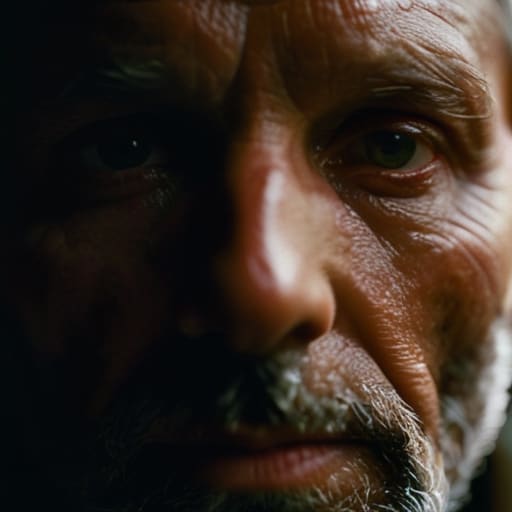
When you’re working with cinéma vérité filmmaking techniques, you quickly realize that the light doesn’t care about your exposure chart. In a narrative setup, I can spend three hours sculpting a single cheekbone with a bounce and a rim light. In the field, the sun is moving, the overhead fluorescent is flickering, and if I wait for the “perfect” setup, the moment is gone. You learn to stop fighting the environment and start working with what’s there. It’s about finding the shape in the shadows rather than trying to erase them with a heavy kit.
This is where the divide between documentary vs narrative cinematography becomes a physical reality. You aren’t looking for the “correct” lighting; you’re looking for the honest light. This often means embracing high ISOs or slightly underexposed frames because that’s what the room offered. You learn to rely on your eyes more than your waveform monitor. If you spend your time worrying about a perfect sensor readout instead of watching the subject’s eyes, you’ve already lost the scene. It’s a constant trade-off between technical perfection and the raw truth of the moment.
Unscripted Camera Movement and the Chaos of Real Life
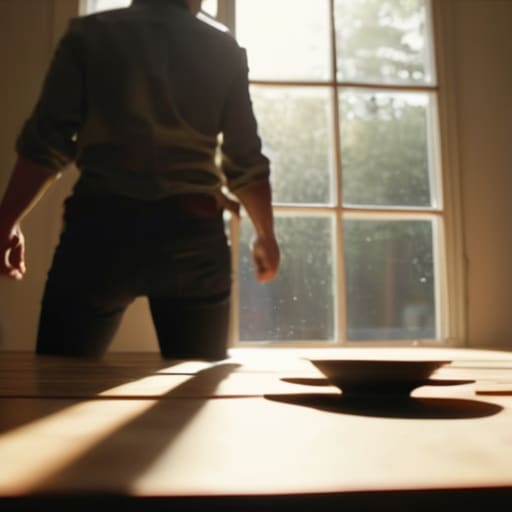
In narrative work, if a character moves from the chair to the window, I’ve already spent twenty minutes planning the dolly track and the motivated light hitting their shoulder. In a documentary, that same movement happens because the subject suddenly remembered they left the stove on, and I have about three seconds to react. This is where unscripted camera movement stops being a technical challenge and starts being a survival skill. You aren’t following a storyboard; you are following a rhythm that you didn’t create. If you’re too rigid, you miss the moment; if you’re too frantic, you look like an amateur with a handheld rig.
The real trick is learning how to move with the chaos rather than fighting it. It’s a subtle distinction in documentary vs narrative cinematography: in the latter, movement is a choice made in pre-production; in the former, movement is a conversation between you and the room. You have to learn to anticipate the shift in energy before it happens. Sometimes the best shot isn’t a smooth pan, but a slightly shaky, urgent follow that captures the raw honesty of a moment that wasn’t meant for a lens.
Gaining Subject Access the Real Work Behind the Lens
You can have the most expensive Arri Alexa in the world, but if the person in front of your lens is looking at you like you’re an intruder, you’re just filming a high-resolution performance of discomfort. This is where the documentary production workflow diverges most sharply from narrative work. In a studio, you’re managing actors; in the field, you’re managing trust. You don’t get that by showing up with a massive rig and a crew of ten. Often, the best way to get close is to look small. I’ve spent more time sitting in kitchens drinking lukewarm coffee and listening to people talk than I have actually checking my focus, because gaining subject access for film is a slow-burn process that no amount of technical skill can bypass.
There’s also a heavy weight to the ethical considerations in documentary filmmaking that people rarely talk about in gear forums. It’s one thing to frame a shot; it’s another to realize that your presence is fundamentally altering the truth of the moment. You have to learn when to pull back and when to lean in, knowing that every time you adjust your position, you’re making a choice that affects the subject’s dignity. It isn’t about the shot; it’s about the relationship.
Ethics and Workflow Beyond Documentary vs Narrative Cinematography
There’s a weight to the camera in a documentary that you just don’t feel when you’re shooting a scripted scene. In narrative work, if a light falls wrong, you reset the lights. In a documentary, if you miss the moment because you were fussing with a bounce card, that moment is gone forever. This shifts the entire documentary production workflow from one of meticulous preparation to one of constant, reactive decision-making. You aren’t just managing frames; you’re managing a relationship. You have to decide, in real-time, whether to lean in for a close-up or pull back to give the subject space.
This brings us to the messy reality of the ethical considerations in documentary filmmaking. In a studio, the actors know the lines; in the field, your subjects are living their lives, often unaware of how a specific angle might make them look vulnerable or even predatory. You’ll find yourself staring at a beautiful, high-contrast light source and wondering if using it is worth stripping away the subject’s dignity. It’s a heavy realization that documentary vs narrative cinematography isn’t just a technical debate—it’s a moral one. You aren’t just capturing images; you’re handling people’s lives.
Five Ways to Stop Thinking Like a Narrative DP and Start Surviving the Field
- Stop hunting for the perfect key light and start looking for the shape of the room. In a studio, you bring the light to the actor; in a documentary, the light is already there, and it’s usually doing something inconvenient. Your job isn’t to fight it, but to understand how that window or that flickering fluorescent is going to carve out your subject’s face. If you spend twenty minutes trying to set up a three-point lighting rig in a kitchen, the moment you actually need will have passed.
- Plan your coverage for the edit, not for the shot. In narrative, you know exactly when the actor will turn their head. In documentary, they might never turn, or they might do it three times while you’re adjusting your focus. I always tell people to shoot more “safety” coverage than they think they need—not more gear, just more angles and more depth—because you can’t go back and ask a stranger to redo a moment that felt real.
- Learn to live with “good enough” exposure. You’ll be tempted to chase a perfect histogram, but if you’re too busy checking your zebras, you’ll miss the subtle shift in a subject’s expression. I’d rather have a slightly underexposed frame that captures a genuine tear than a perfectly exposed shot of a subject looking bored because I was too busy fiddling with the ND filters.
- Prioritize audio-visual synchronization over technical perfection. It sounds strange, but in the field, your “cinematography” is often dictated by the sound. If you can’t hear the subject, the most beautiful 8K image in the world is just expensive wallpaper. I’ve seen many young shooters obsess over lens sharpness while ignoring the fact that their audio is a mess; remember, the audience will forgive a grainy image, but they won’t forgive a scene they can’t understand.
- Build a kit that favors agility over everything else. I see people showing up to documentary gigs with rigs that look like they’re ready to launch a satellite. If it takes you more than thirty seconds to transition from a wide to a tight, you’ve already lost the scene. Your kit should be an extension of your hands, not a barrier between you and the subject. If you’re struggling with the weight of your shoulder rig, you aren’t watching the light, and you certainly aren’t watching the person.
The Bottom Line
Stop looking for the perfect sensor and start looking for the light; a high-end camera won’t save a shot where you haven’t understood the direction and quality of the source.
Coverage in documentary isn’t about following a shot list, it’s about anticipating the moment and having the discipline to stay close enough to capture the emotion without getting in the way.
Your most valuable tools aren’t in your Pelican case—they are your patience, your ability to read a room, and your willingness to wait for the scene to give you something real.
The Myth of the Perfect Shot
In a narrative setup, you spend three hours chasing a specific shadow to hit a specific frame; in documentary, you spend three hours waiting for the light to hit a person’s eyes just right, knowing that if you blink, the moment is gone and no amount of high-end glass or post-production magic is ever going to bring it back.
Gethin Moreau
The Long View
At the end of the day, the divide between documentary and narrative isn’t found in a spec sheet or a sensor size. It’s found in the way you react when the sun drops behind a building or when a subject says something that completely upends your planned coverage. We’ve talked about the lack of a script, the necessity of finding light in the wild, and the delicate dance of ethics and access. If you try to approach a documentary with the rigid mindset of a narrative set, you’ll end up with footage that feels staged and lifeless. You have to learn to trade control for connection, understanding that your job isn’t to manufacture a moment, but to be positioned correctly when the moment decides to show up.
If you’re sitting there wondering if you need a more expensive rig to bridge this gap, stop. I’ve seen masterpieces shot on gear that would make a modern YouTuber cringe, and I’ve seen high-end cinema cameras produce nothing but expensive garbage because the operator was too busy looking at the monitor and not enough at the light and the life unfolding in front of them. Documentary work is a test of your eyes and your patience. Put down the gear forums, get out into the street, and start watching how shadows move across a face. That is where the real filmmaking happens.
