
I remember sitting in a cramped corner of a warehouse in East London, staring at a spec sheet for a new body that promised “unrivaled depth of field.” The client wanted that creamy, floating look, and they were convinced that upgrading to a larger sensor was the only way to get there. They spent three weeks arguing about megapixels and dynamic range, completely missing the point of how full frame differs from super 35 in a practical, working environment. They thought they were buying a better image, but they were actually just buying a shorter distance between the lens and the subject, which is a hell of a lot harder to manage when you’re shooting in a room with no windows and even less space.
I’m not here to walk you through a spreadsheet of sensor dimensions or technical jargon you can find on a manufacturer’s landing page. Instead, I want to talk about what actually happens when you’re on set: how your focal lengths shift, how your lighting requirements change, and why your choice of format dictates your entire blocking strategy. I’ll tell you when the extra light is worth the headache, and when you’re better off sticking to the predictable coverage of a smaller sensor.
Super 35: The Industry Standard
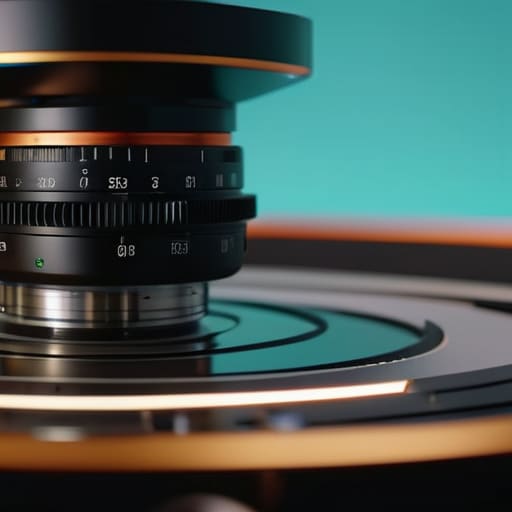
Super 35 is a sensor format that mimics the traditional 4/3 aspect ratio of motion picture film, offering a smaller surface area than its larger counterparts. Its main selling point is its predictable geometry, providing a familiar field of view that has been the backbone of cinema for decades. Because the sensor is more compact, the lens mathematics remain straightforward, allowing for a wide range of standard focal lengths to behave exactly as you’d expect them to on a set.
In my experience, the real value of Super 35 isn’t in some technical spec sheet; it’s in the control it gives you over the space. When you’re working with a smaller sensor, you aren’t constantly fighting an unnaturally shallow depth of field that makes every shot look like a perfume commercial. It allows you to keep more of your subject in focus and, more importantly, it lets you use more common, affordable glass without feeling like you’re constantly backing into a corner to find your framing.
Full Frame: The Pursuit of Scale

Full frame refers to a sensor size that matches the dimensions of a traditional 35mm film frame, providing a significantly larger surface area for capturing light and detail. The primary advantage is the increased light-gathering capability and the ability to achieve an incredibly shallow depth of field that separates a subject from the background with surgical precision. It is, essentially, a larger canvas that offers more room to breathe in terms of dynamic range and low-light performance.
I’ve seen plenty of operators get seduced by the “look” of full frame, but you have to understand that a bigger sensor changes your entire workflow. It’s not just about getting a prettier image; it’s about the fact that your physical distance from the subject changes. Suddenly, that 50mm lens you used to love for a medium shot is acting like a tight close-up, and you’re finding yourself tripping over grip equipment just to get a wide shot. It’s a powerful tool, but it demands you rethink your entire blocking strategy from the moment you arrive on site.
Comparison of Full Frame vs. Super 35 Sensor Formats
| Feature | Full Frame | Super 35 |
|---|---|---|
| Sensor Size | Large (approx. 36 x 24mm) | Smaller (approx. 24 x 18mm) |
| Depth of Field | Shallower / More Bokeh | Deeper / More Control |
| Low Light Performance | Superior (higher light gathering) | Moderate (higher noise potential) |
| Field of View | Wider (less crop factor) | Narrower (increased crop factor) |
| Lens Selection | Modern digital/cinema lenses | Extensive legacy/standard cinema lenses |
| Best For | High-end cinema, low light, & landscapes | Commercials, TV, & standard filmmaking |
| Cost | Generally Higher | Generally Lower |
Understanding How Full Frame Differs From Super 35

If you think choosing a sensor is just about looking at a spec sheet to see which one has more megapixels, you’re already heading for a long, expensive afternoon of frustration. The real reason this debate matters isn’t about resolution; it’s about the physical reality of your set. The sensor you pick dictates how much light you need to hunt for, how far back you have to stand to fit a subject in the frame, and how much control you actually have over the space between your subject and the background.
When you move to full frame, you aren’t just getting a bigger image; you are changing the math of your entire production. You’ll get that creamy, shallow depth of field that people crave, but you’ll pay for it by having to push your camera back into corners where it might not fit. Super 35, on the other hand, is much more forgiving. It gives you a deeper plane of focus and lets you use more standard focal lengths without feeling like you’re shooting through a straw. It’s predictable, and in this business, predictability is often more valuable than a bit of extra bokeh.
If you’re looking for pure aesthetic separation and have the room to move, full frame wins. But if you want to actually finish a shoot without constantly fighting your focal lengths, Super 35 is the practical choice.
Key Things to Know
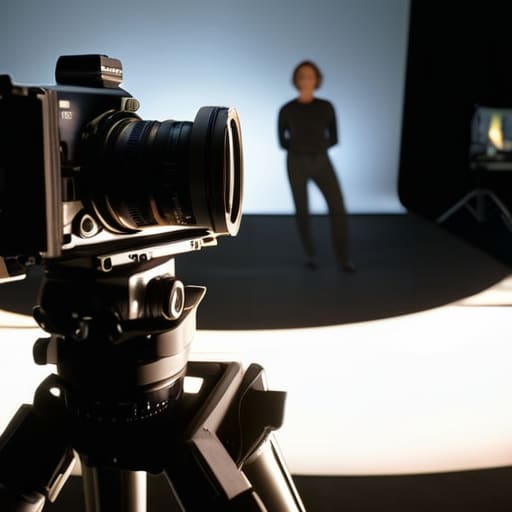
The reason you need to wrap your head around these differences isn’t for the sake of the spec sheet; it’s because your choice dictates your physical footprint on set. If you don’t respect the math behind the sensor, you’ll find yourself halfway through a shoot realizing you can’t get wide enough for the master shot, or that your subject is suddenly drowning in a depth of field that feels unnatural.
With Super 35, you’re working within a familiar, predictable geometry. Most of the glass out there was built for this format, meaning your focal lengths behave the way you expect them to, and your depth of field stays manageable even in low light. Full frame, however, changes the game by demanding more from your environment. You’ll get that creamy, shallow look that people crave, but you’ll pay for it by having to back the camera up or swap to much wider, often more expensive, lenses to maintain your composition.
If you’re looking for ease of use and lens compatibility, Super 35 wins on practicality. But if your entire aesthetic relies on isolating a subject through sheer optical separation, you’ll have to bite the bullet and embrace the full frame.
Practical Tips and Steps
Knowing the difference between these two formats is one thing, but knowing how to actually work with them on a Tuesday morning when the sun is moving too fast is another. If you don’t understand how your sensor size dictates your physical footprint, you’ll spend half your day fighting your equipment instead of shaping the light.
If you’re shooting Super 35, your life is about managing distance and lens choice. You’re going to be backing up to get your wide shots, which means you need to be mindful of your room’s dimensions and your lighting’s throw. It’s a more predictable dance; you know exactly how much space you need to move the camera to change the composition.
With Full Frame, the game changes because of that extra surface area. You can get much tighter, more intimate shots without needing to physically move the tripod, but that also means your depth of field becomes a fickle beast. You have to be much more disciplined with your focus pulling, because the margin for error is significantly slimmer when everything looks like it’s floating in a dream.
For pure, controlled versatility in tight spaces, Super 35 wins. It’s more forgiving of the chaos that real-world production brings.
The Bottom Line
Don’t chase a larger sensor just because the spec sheet says it’s better; choose the format that matches your lighting reality and the physical space you have to move.
Remember that depth of field is a tool, not a default setting—if you’re using full frame just to get a blurry background, you might be sacrificing the coverage you actually need to tell the story.
Gear is secondary to the setup; a well-placed light and a smart lens choice will always do more for your image than upgrading to a larger sensor to fix a poorly lit scene.
The Illusion of the Sensor
People get caught up in the math of crop factors and megapixels, but the real difference between full frame and Super 35 isn’t a spec sheet; it’s how much more you have to fight for your light and how much more space you have to move your feet. One gives you a shallow, creamy look that’s easy to fall in love with, while the other gives you a predictable, working field of view that actually lets you finish a shoot on time.
Gethin Moreau
Making the Call
At the end of the day, the choice between full frame and Super 35 isn’t some mathematical equation you solve to find the “correct” answer. It’s about the physical reality of your set. If you’re chasing that creamy, shallow depth of field and you have the light to spare, full frame will give you that look. But if you’re working in tight quarters where you can’t back the camera up without hitting a wall, or if you need the predictable, deep focus of Super 35 to keep your coverage manageable, then stick to what works. Don’t buy a larger sensor just because the spec sheet says it’s better; buy it because you know exactly how it will change your distance from the subject and your relationship with the light.
I’ve seen beautiful, high-end full frame footage ruined by poor lighting, and I’ve seen gritty, low-budget Super 35 work that looks like a masterpiece because the operator understood the frame. The sensor is just a container for the light you manage to catch. Once you stop obsessing over the technical superiority of one format over the other, you can start focusing on what actually matters: the composition, the blocking, and the story. Stop waiting for the perfect camera to arrive before you start making something meaningful. The best gear in the world won’t save a scene that lacks intentionality, so go out there, find your light, and just start shooting.
