
I remember a documentary shoot in a cramped kitchen in West Cork, ten years ago. The light was coming through a dirty window, barely enough to expose the sensor, but that wasn’t the problem. The problem was the subject—a man who looked at my lens like I was about to perform an unanesthetized dental extraction. I spent forty minutes trying to explain the “blocking” and the “motivation,” and all I did was make him more self-conscious. That’s the trap: most people think how to direct non actors involves some grand psychological breakthrough or a masterclass in method acting, when in reality, it’s usually just about getting out of their way so they can stop acting like they’re being watched.
I’m not here to sell you on some expensive workshop or a way to “unlock” human emotion through technical wizardry. I want to talk about the grit of it—the patience required to build trust, the way you use your physical presence to settle a room, and why your lighting setup might be the very thing making your subject freeze up. I’ll give you the practical, unromantic truth about managing the chaos of real people, because at the end of the day, a perfect frame means nothing if the person in it looks like they’re waiting for a bus.
The Distance Between Truth and Acting How to Direct Non Actors
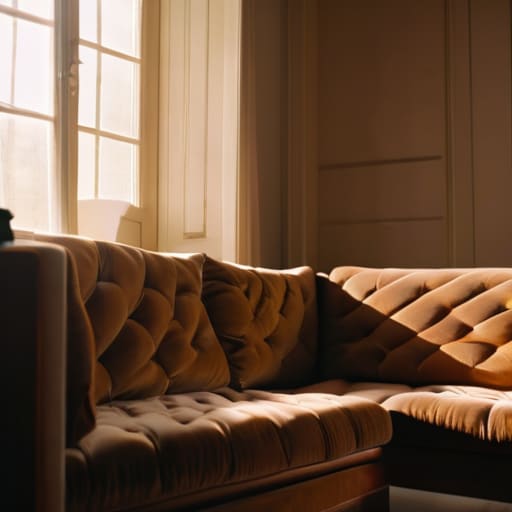
The problem starts the moment you frame them. If you put a lens in someone’s face while they’re still trying to figure out why there’s a tripod in their living room, you aren’t going to get a performance; you’re going to get a deer in the headlights. I’ve spent half my life using cinéma vérité directing tips to bridge that gap, and the secret isn’t a better script—it’s the physical space you allow them to occupy. You have to stop treating the camera like a predator and start treating it like a piece of furniture.
When you’re working with people who have never seen a professional set, your primary job isn’t directing movement; it’s managing subject anxiety on camera. I’ve found that if you spend the first hour just talking—not about the shot, not about the light, but just talking—the tension starts to bleed out. You aren’t looking for them to “act.” You’re looking for the moment they forget you’re there. That’s when the truth happens, and that’s the only thing worth capturing.
Building Trust With Interviewees Before the Lens Moves

You don’t start by hitting record. If you walk into a room, set up a tripod, and immediately start talking about aperture or frame rates, you’ve already lost them. The moment that lens stares them down, they become a version of themselves that is stiff, rehearsed, and fundamentally dishonest. Building trust with interviewees isn’t some lofty psychological exercise; it’s about being a person in the room rather than a technician with a checklist. I usually spend the first twenty minutes just sitting there, maybe helping them move a chair or talking about something entirely unrelated to the subject matter. You need to let the gear become part of the furniture before you ask them to be vulnerable.
I’ve found that the best way of managing subject anxiety on camera is to treat the interview like a conversation that just happens to be being documented. If they feel like they are being “directed,” they will freeze. Instead of asking them to repeat a sentence for the sake of a clean audio take, I’d rather let them stumble through a thought and find the truth in the correction. The magic happens in the pauses, not the polished delivery. If you rush the process, you’ll end up with a beautiful image of a person who isn’t actually there.
Managing Subject Anxiety on Camera Without Losing the Scene

The biggest mistake I see is a crew that treats a non-actor like a piece of equipment. You walk in, set up your lights, check your levels, and then suddenly expect a person to perform on command. That’s when the freeze happens. The moment they realize that lens is actually recording, their eyes glaze over and they start performing a version of themselves that doesn’t exist. Managing subject anxiety on camera isn’t about giving them a script; it’s about making the camera feel like a piece of furniture rather than a judge.
I’ve found that the best way to handle this is to lean into improvisational directing methods that prioritize the conversation over the shot list. If they start sweating or looking stiff, stop worrying about your coverage for a minute. Turn off the monitor, step away from the tripod, and just talk. You want to get them past that initial layer of self-consciousness where they are thinking about how they look. Once they stop performing for the lens and start simply existing in the space, that’s when you actually get something worth cutting.
Naturalistic Performance Coaching Less Instruction More Observation
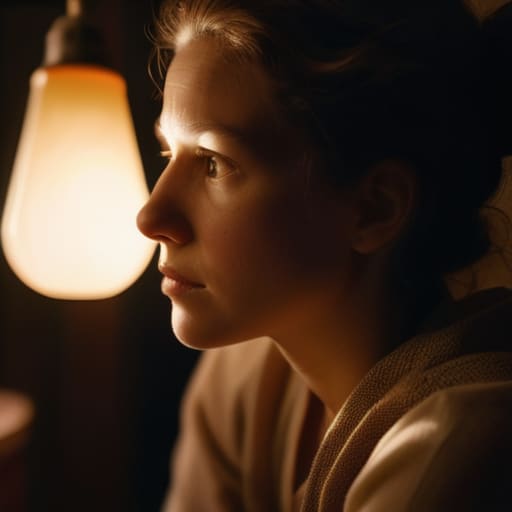
The biggest mistake I see is the director who treats a non-actor like a stage performer, barking “more emotion” or “look sadder” the moment the red light goes on. That’s a fast track to a performance that looks like a bad high school play. Real naturalistic performance coaching isn’t about giving instructions; it’s about creating a vacuum that the truth can rush into. I’ve found that the best way to get something genuine is to stop being a director and start being a witness. If you find yourself explaining exactly how a person should move or react, you’ve already lost the scene.
Instead, lean into improvisational directing methods where you provide the context and let them provide the soul. Don’t tell them to “act surprised”; tell them a story that might trigger that specific feeling, or ask them to describe a memory. My rule of thumb is to keep the technical chatter to a minimum once we’re rolling. The more you talk about the frame or the lighting, the more they realize they are being watched. If you want that cinéma vérité feel, you have to learn the art of being invisible, even when you’re standing right in front of them.
Improvisational Directing Methods for Capturing Genuine Moments
Once you’ve established a baseline of comfort, you have to stop being a director and start being a witness. This is where improvisational directing methods actually move from theory to practice. I’ve learned that if you give a non-actor a script, you’ve already lost them; they’ll spend the whole time trying to “act” the lines rather than living them. Instead, I tend to throw out a scenario or a prompt—something that requires a reaction rather than a recitation. If you want them to tell a story, don’t ask them to perform a beat; ask them to explain why a specific memory matters. The magic happens in the pauses, the stumbles, and the way they look away when they’re searching for a word.
You have to be comfortable with the silence. Most beginners panic when the room goes quiet and they rush in to fill the gap, but that’s exactly when the most honest moments occur. Using these cinéma vérité directing tips means keeping the camera rolling even when it feels like nothing is happening. Often, the real truth is captured in the three seconds after they think they’ve finished their sentence. Stay ready, keep your eye on the light, and let them find their own way back to the moment.
Cinma Vrit Directing Tips and Documentary Filmmaking Techniques
When you move into the realm of cinéma vérité, you have to stop acting like a director and start acting like a ghost. The biggest mistake I see young shooters make is treating the camera like a spotlight that demands attention. If you want those raw, unvarnished moments, you have to master the art of being invisible. This means setting up your lights—usually just bouncing what’s available from a window or a single practical—long before the subject even realizes the “official” part of the day has begun. If they see you adjusting a tripod every time a conversation gets interesting, the magic dies instantly.
True documentary filmmaking techniques rely heavily on your ability to read the room rather than the monitor. You aren’t looking for a scripted beat; you’re looking for the silence between words or the way someone fidgets with their hands when they’re uncomfortable. It’s about staying ready without being intrusive. I’ve spent more time sitting in a kitchen drinking bad coffee with people than I have behind a viewfinder, and honestly, that’s where the real work happens. You have to learn to anticipate the movement before it happens, so when the moment finally breaks, you aren’t fumbling with a focus ring while the truth slips right past you.
Five Ways to Stop Them From Looking Like They’re in a Commercial
- Stop giving them “acting” notes. If you tell a non-actor to “look more sad” or “act surprised,” they’ll give you a caricature that looks like a bad soap opera. Instead, give them a physical task or a specific thought. Don’t ask for sadness; ask them to remember the feeling of a cold room or the sound of a door closing. Give them something to do with their hands, because an idle non-actor is a nervous non-actor.
- Watch the eye line, but don’t obsess over the technicality. People who aren’t used to cameras tend to hunt for the lens like it’s a predator, or they stare blankly into the middle distance. I’ve found that if you place a person just slightly off-axis from the lens—maybe looking at a crew member they actually trust—the performance settles into something much more human.
- Respect the silence. In the rush to get coverage, we often feel the need to fill every gap with chatter or direction. But the best moments with non-actors usually happen in the beat after they finish speaking, when they’re just processing what they’ve said. If you cut them off too soon because you’re worried about the technicalities of the shot, you’ll miss the only honest frame you’re going to get all day.
- Use the environment to anchor them. A person standing in an empty studio feels like a specimen under a microscope. If you can put them in a space that makes sense to them—a kitchen they know, a chair they’ve sat in a thousand times—the camera becomes secondary to the setting. The more they can lean into their surroundings, the less they’ll feel like they’re “performing.”
- Forgive the mistakes and keep the rolling camera. You’ll get a stumble, a misplaced word, or a moment where they break character and laugh. Don’t panic and call “cut” immediately. Often, that laugh or that awkward recovery is exactly what makes the scene feel real. I’ve pulled more gold from a “failed” take where the subject finally relaxed than from a dozen “perfect” takes where they were trying too hard to be good.
The Bottom Line
Stop trying to coach “acting” and start coaching behavior; if you ask them to perform, they’ll give you a lie, but if you ask them to do a task, they’ll give you the truth.
Your presence is part of the lighting and the blocking; if you’re hovering over the monitor like a hawk, the person in front of the lens will freeze up, so learn to be invisible before you even hit record.
Coverage isn’t just about getting the wide and the tight; it’s about having enough of the quiet, unscripted moments in between to give an editor the space to find the actual heartbeat of the scene.
## The Myth of the Perfect Take
Stop trying to coach a performance out of someone who doesn’t know what ‘acting’ is; if you start giving them notes on their eyes or their hands, you’ve already lost the truth. Your job isn’t to make them act, it’s to make them forget the light is hitting them and just exist in the space you’ve built for them.
Gethin Moreau
The Final Frame
At the end of the day, directing people who don’t act isn’t about mastering a new set of technical commands; it’s about mastering your own restraint. We’ve talked about building rapport, managing that visible spike in anxiety when the red light goes on, and knowing when to step back and let the scene breathe. You can have the most expensive Arri setup in the world and the most meticulously lit room, but if you haven’t established a foundation of trust and patience, you’re just capturing high-resolution nothingness. Remember that your job is to facilitate a moment, not to manufacture one. If you find yourself trying to force a performance through technical perfection or aggressive instruction, you’ve already lost the truth of the image.
When you’re sitting in the edit suite weeks later, looking at the footage, you won’t be looking for the most polished movement or the most dramatic facial expression. You’ll be looking for that split second where the person forgot the lens was there—the moment where the mask slipped and something genuinely human peeked through. That is the only thing worth the gear, the long hours, and the sweat. Don’t get so caught up in the logistics of the shot that you forget you are there to witness a life. Put the camera down if you have to, find the light, and then just wait for the truth to arrive.
