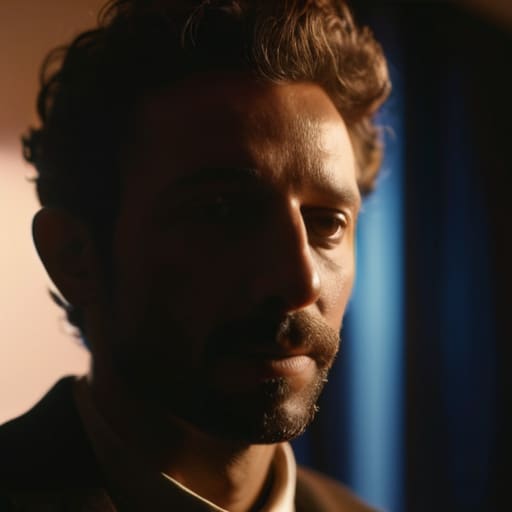
I spent three hours last week watching a kid on a forum argue that the secret to a professional look was a $4,000 cinema lens and a specific sensor readout. It’s the same nonsense I see every time someone asks how to interview someone on camera without it looking like a home movie. They think if they just buy enough glass, the subject will suddenly stop squinting into the light or glancing nervously at the tripod. But here’s the truth: you can have the most expensive sensor in the world, but if your key light is hitting them at a harsh ninety-degree angle or you’ve placed the chair three feet too close to a noisy air conditioner, you’re just recording high-resolution garbage.
I’m not here to sell you a gear list or walk you through a checklist of spec sheets. What I want to do is show you how to actually manage the space, the light, and the human being sitting in front of you. We’re going to talk about where to place your lamps to create depth, how to use distance to control the intimacy of the frame, and why patience is the most important piece of kit in your bag. If you want to learn how to capture a real moment instead of just a polished image, let’s get to work.
The Truth About How to Interview Someone on Camera

The truth is, most people walk into an interview thinking the most important thing is the question they’re about to ask. It isn’t. You can have the most profound, life-altering dialogue in the world, but if your subject is staring into a void of shadows or squinting because you placed a window behind them, the audience is going to check out before the first sentence is finished. A decent video interview lighting setup isn’t about making things look “cinematic” with heavy contrast; it’s about providing enough soft, directional light so we can actually see the person’s eyes. That’s where the story lives.
Beyond the lights, you have to account for the human element—specifically, managing interview subject anxiety. I’ve spent more time talking a nervous CEO through their jitters than I have adjusting a tripod. If they feel like they’re being interrogated by a machine, their shoulders will hunch and their eyes will dart. You need to prioritize non-verbal communication on camera by creating a space where they feel heard, not just recorded. When they finally relax, that’s when the real footage happens. Everything else is just technical housekeeping.
Light and Distance Mastering the Video Interview Lighting Setup
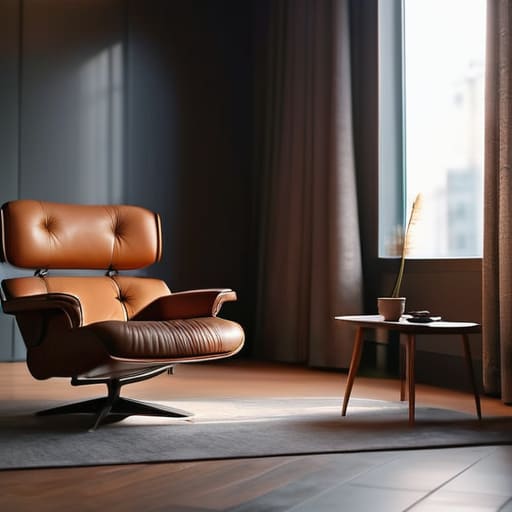
Before you even think about which sensor you’re using, look at the windows. If you’ve got a massive source of soft light coming from the side, you’re already halfway there. Most people make the mistake of trying to fight the environment with cheap LED panels, but a well-placed window or a single bounced light is worth more than a truckload of kit. When you’re building your video interview lighting setup, aim for depth. Don’t pin your subject against a flat, white wall like they’re in a police lineup; pull them away from the background. That separation is what creates a professional look, and it’s something no amount of post-production sharpening can fake.
Then there’s the matter of how much space you actually give them. If you’re too close, you’re suffocating them; too far, and you lose the intimacy of their expression. I always tell my assistants that camera framing for interviews is as much about psychology as it is about composition. You need enough room to capture those subtle shifts in non-verbal communication—the lean forward, the slight tilt of the head—without making the subject feel like they’re being interrogated by a machine. Give them air, give them light, and let the rest happen.
Beyond the Lens Camera Framing for Interviews and Connection

Once you’ve settled the light and found a spot where the subject isn’t drowning in shadow, you have to decide where the edges of your frame actually live. I’ve seen too many beginners obsess over the sharpness of their glass while completely ignoring camera framing for interviews. If you frame someone too tight, you’re trapping them; they feel the walls closing in, which only heightens their nerves. If you’re too wide, they look small and insignificant, like a lost child in a landscape. I prefer a medium shot that allows for a bit of breathing room—headroom that doesn’t feel like a mistake, and enough space to see their hands.
It isn’t just about the geometry of the shot, though; it’s about the psychology of the space. You aren’t just capturing a face; you are capturing non-verbal communication on camera. A slight lean forward or a meaningful gesture can tell more than the actual words being spoken. If your frame is too cramped, you cut off the very movements that give the performance its weight. Give them room to move, and you’ll find they give you much better answers.
The Quiet Work Audio Recording for Video Interviews
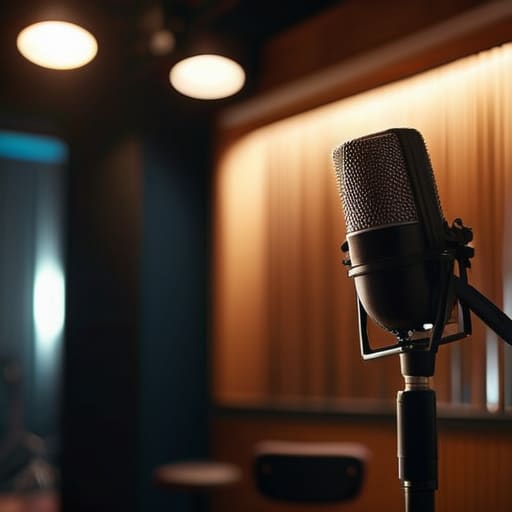
You can have the most beautiful video interview lighting setup in the world, a lens that makes eyes sparkle like diamonds, and a composition that would make a master painter weep, but if the audio is thin, tinny, or plagued by a hum, the audience is gone. They won’t even know why; they’ll just feel a subconscious urge to look away. People will forgive a bit of grain in the shadows or a slightly soft focus, but they will never forgive bad sound. It’s the one thing that breaks the spell of the story.
When it comes to audio recording for video interviews, my rule is simple: get the mic as close as the shot allows without being intrusive. I’ve spent more time fighting wind noise and HVAC hums than I have adjusting apertures. If you’re using a lavalier, hide it well, but don’t let it rub against a shirt—that rhythmic scratching is a nightmare to fix in post. If you’re using a boom, watch your shadows. I’d rather spend an extra twenty minutes positioning a shotgun mic than spend three days trying to teach a colorist how to fix a soundscape. Audio is half the picture, and it’s usually the half people forget to prepare for.
Psychology and Patience Managing Interview Subject Anxiety
Once you’ve nailed your video interview lighting setup and confirmed the audio isn’t clipping, you’re faced with the most unpredictable variable in the room: the human being sitting in the chair. I’ve seen incredible technical setups ruined because the subject was so stiff they looked like they were undergoing a medical exam rather than sharing a story. You can have the most expensive camera framing for interviews in the world, but if the person is staring at the lens like it’s a predator, the audience will feel that tension. My rule is simple: treat the gear as secondary to the person.
Managing interview subject anxiety isn’t about being a therapist; it’s about being a presence. I usually spend the first twenty minutes just talking—not about the project, but about the weather or the coffee—while I fiddle with a light or check a monitor. You have to earn their trust before you even think about asking the heavy questions. If you rush straight into your list of effective interview question techniques, you’ll get rehearsed, hollow answers. You want the moments between the lines, the subtle shifts in non-verbal communication on camera that signal a real thought is forming. That only happens when they forget you’re even there.
Effective Interview Question Techniques and Non Verbal Communication
Once you’ve sorted your lighting and your audio is clean, you’re faced with the actual human being sitting in front of you. This is where most people trip up. They treat the interview like a deposition rather than a conversation. If you’re just firing off a list of questions, you’re going to get stilted, one-word answers that make for a nightmare in the edit. You need to employ effective interview question techniques that encourage storytelling. Instead of asking “What did you do?”, try “Walk me through the moment you realized everything was changing.” It forces them out of their rehearsed script and into a memory.
While you’re listening, keep a close eye on their non-verbal communication on camera. A subject might say they’re confident, but if they’re fidgeting with a ring or avoiding eye contact, the audience will feel that disconnect. Don’t interrupt them to correct a detail—that breaks the spell—but use your own body language to signal that you’re listening. A simple nod or a leaned-in posture can do more to keep a subject talking than any expensive piece of kit ever could.
Five Ways to Stop Making Mistakes Before You Hit Record
- Stop obsessing over the resolution and start looking at the shadows. If you’ve got a hard, unflattering light hitting your subject’s nose from directly above, it doesn’t matter if you’re shooting on an Arri Alexa or an iPhone; the shot is going to look amateur. Soften that light, move it slightly to the side, and give them some depth before you even think about checking your focus.
- Plan your coverage like you’re actually going to edit it. I’ve seen too many beginners shoot one wide shot and think they’re done. You need the master, the medium, and the tight. If you don’t have those different focal lengths and angles, you’re going to be staring at a jumpy, unwatchable mess when you sit down to cut.
- Respect the distance between you and the subject. If you’re too close, you’re a predator; if you’re too far, you’re a stranger. Find that middle ground where they feel they can breathe, but keep the camera far enough away that they aren’t constantly adjusting their posture to accommodate your lens.
- Treat the “room tone” like it’s more important than the interview itself. After you think you’ve got the good takes, stay quiet for sixty seconds and record the natural silence of the space. You’ll thank me later when you’re in the edit suite trying to patch a hole in the audio without it sounding like a sudden vacuum.
- Don’t be a gear snob when the environment changes. If you’re in a room with massive windows and no way to block them, stop trying to fight the sun with a tiny LED panel. Adjust your position, use the natural light that’s already there, and accept that the best setup is the one that actually works in the room you’ve been given.
The Bottom Line
Stop looking at the spec sheet and start looking at the room; most interview failures are caused by bad light and poor distance, not a lack of resolution.
Coverage is your insurance policy; frame for the edit by ensuring you have enough movement and angles to hide the inevitable pauses and stumbles.
Respect the subject more than the gear; a comfortable, calm person will always give you a better performance than a person struggling with a high-end setup they don’t understand.
The Gear Trap
I’ve sat in rooms where people were sweating over whether to rent a cinema prime or a vintage glass, completely ignoring the fact that their subject was sitting three feet too close to a flickering fluorescent tube. You can buy the most expensive sensor on the market, but if you haven’t mastered the distance between the light and the eyes, and the patience to wait for the subject to actually settle into their skin, you’re just capturing high-resolution anxiety.
Gethin Moreau
The Final Frame
At the end of the day, a successful interview isn’t built on a spec sheet. It’s built on the way you positioned that key light to catch the eyes, the distance you kept between the lens and the subject to create intimacy, and the way you listened well enough to let them finish a thought. You can have a cinema camera that costs more than my first car, but if your audio is thin or your subject is staring at a wall because you didn’t manage the room, you’ve got nothing but expensive noise. Remember that coverage is your insurance policy and patience is your most valuable tool when the edit starts to feel tight.
Don’t get caught up in the gear treadmill. I’ve seen breathtaking stories told on cameras that would make a modern YouTuber weep, and I’ve seen technical perfection that felt utterly soulless because the person behind the lens was too busy checking their waveform to actually connect with the human in front of them. Stop worrying about the resolution for a moment and start worrying about the connection. If you get the light right, the sound right, and the human element right, the rest is just math. Go out there, trust your eyes, and stop looking for the answer in a shopping cart.
