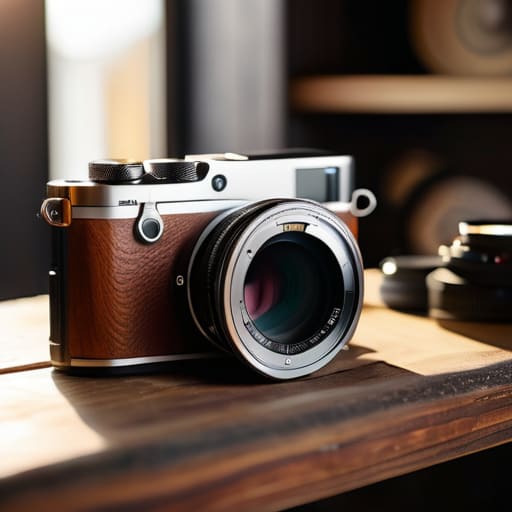
I spent three weeks in 2004 waiting for a shipment of film stock that never arrived, sitting in a damp basement in Bristol with nothing but a handheld light and a sense of profound regret. Back then, you didn’t “optimize your workflow”; you just prayed you didn’t waste the precious frames you had left. Today, I see people drowning in spec sheets, convinced that a higher bit depth or a new sensor readout is the magic bullet for their storytelling. They think a complete guide to choosing a camera should be a math equation, but they’re looking at the wrong numbers. Most of these guides are just glorified brochures for manufacturers, promising that the right gear will fix a lack of vision, which is a lie I’ve heard too many times.
I’m not here to help you build a shopping list of shiny toys you can’t afford. My goal is to give you a framework based on how light actually hits a sensor and how much coverage you actually need to make a scene cut. This isn’t about the most megapixels; it’s about reliability and intent. I’ll tell you which pieces of gear actually change the work and which ones are just expensive distractions from the fact that you haven’t mastered your lighting yet.
The Truth Behind This Complete Guide to Choosing a Camera
Look, I’ve seen enough people walk into a rental house or a shop with a printed-out list of specs to try and “solve” their lack of vision. They think if they just grab the body with the highest resolution or the most impressive autofocus performance testing results, the story will suddenly start telling itself. It won’t. This isn’t a technical manual meant to help you win a spec war; it’s a reality check.
The truth is, most of what you’ll find in a standard digital camera buying checklist is just noise designed to move inventory. You’ll spend hours obsessing over a mirrorless vs dslr comparison, worrying about weight or viewfinders, while ignoring the fact that you haven’t even figured out how to shape a single key light. I’m going to talk about the things that actually matter—the stuff that keeps a production from falling apart when the sun goes down or the budget disappears. We’ll touch on camera sensor size explained in a way that actually relates to your depth of field, not just your marketing brochures, because at the end of the day, the gear is just a tool to capture what’s already there.
The Physics of Light Camera Sensor Size Explained

Before you look at the resolution or the frame rates, you need to understand the surface area catching the light. When people ask for a camera sensor size explained in simple terms, they usually want to know about “Full Frame” versus “APS-C” or “Micro Four Thirds.” But forget the marketing jargon for a second. What you’re actually talking about is how much light can physically hit the sensor at any given moment. A larger sensor is essentially a bigger bucket; it catches more photons, which means you get cleaner images in dark rooms and a shallower depth of field when you’re trying to isolate a subject.
I’ve seen shooters walk into a low-light documentary set with a brand-new, high-resolution sensor only to realize they’ve traded dynamic range for pixels they can’t even use. If you’re looking for the best camera for beginners, don’t get distracted by the sheer number of megapixels. A smaller sensor might force you to work harder with your lighting, but if you understand how to shape that light, you can make almost anything look intentional. It’s about managing the physics, not just buying a bigger target.
Mirrorless vs Dslr Comparison Choosing Your Primary Tool
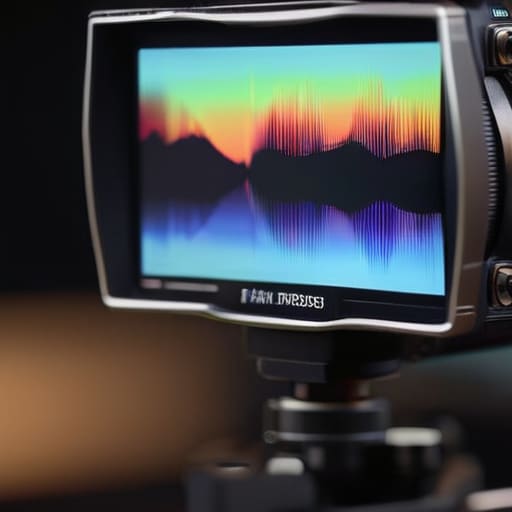
I remember when the debate was about whether a DSLR could even handle video without overheating or looking like a toy. Now, the industry has moved almost entirely to mirrorless, but that doesn’t mean the old tech is useless if you’re working a tight budget. In a mirrorless vs dslr comparison, the real difference isn’t just the lack of a mirror; it’s how you see the image. With mirrorless, you’re looking at a digital preview of your final exposure. It’s a massive advantage for coverage, but it can also make you lazy. You stop checking your waveforms because the screen looks “pretty,” even if the data is falling apart.
If you are looking for the best camera for beginners, don’t get distracted by the weight of the body. Focus on the lens mount compatibility and the ecosystem you’re stepping into. A DSLR might offer a cheaper way to get professional glass in your hands, but mirrorless gives you the autofocus performance that makes modern production possible. Just remember: a faster autofocus system won’t save a shot if you haven’t bothered to shape the light first.
Where the Image Breaks Video Bitrates and Codecs
You can have the most expensive sensor in the world, but if you’re squeezing that data through a straw, you’re essentially filming a watercolor painting. This is where people get lost in the weeds of video bitrates and codecs. I’ve seen shooters walk away from a job thinking they had a “bad camera” when, in reality, they were just shooting 8-bit files that choked the moment they tried to push the shadows in post. When you compress a signal too aggressively, you don’t just lose detail; you lose the ability to make decisions later.
If you’re looking at a digital camera buying checklist, don’t just look at the resolution number. A 4K file with a low bitrate is often less useful than a clean 1080p file with enough data to breathe. You want enough headroom to let a colorist actually work, rather than forcing them to fight against digital artifacts and “banding” in the sky. It’s not about having the most data possible—it’s about having enough data so that the math doesn’t break when you try to grade the image.
Autofocus Performance Testing and the Lens Mount Compatibility Trap
Everyone’s obsessed with the latest autofocus algorithms, but let’s be clear: a tracking system is only as good as the light hitting the sensor. I’ve seen “state-of-the-art” eye-tracking fail miserably in a dimly lit room because the subject didn’t have enough contrast. When you’re doing autofocus performance testing, don’t just watch a YouTube demo in a bright studio. Take the thing into a room with motivated, practical lighting and see if it actually sticks to a moving subject without hunting. If it breathes or jitters every time the light shifts, it’s going to drive you mad on a real set.
Then there’s the lens mount compatibility trap. You’ll find a body that fits your budget, only to realize the glass you actually want requires a dozen adapters that turn your rig into a heavy, unbalanced mess. It’s easy to get lost in the technicalities of a digital camera buying checklist, but remember that the mount dictates your future. If you lock yourself into a closed ecosystem, you aren’t just buying a camera; you’re signing a contract with a specific set of lenses that might not be there when you actually need them.
The Digital Camera Buying Checklist Gear That Actually Matters
If you’re looking for a spreadsheet of every button and dial, you’re looking in the wrong place. A real digital camera buying checklist shouldn’t start with megapixels; it starts with how you intend to move. Ask yourself if you’re going to be fighting a tripod on a controlled set or running through a crowd with a gimbal. If you’re a solo operator, you need a body that won’t fight you when the light starts to fail. Check the weight, check the ergonomics, and for god’s sake, check if the buttons actually make sense when your hands are sweating.
Beyond the physical, look at the ecosystem. You can obsess over autofocus performance testing all day, but if that camera forces you into a proprietary lens mount that costs as much as a used car, you’ve bought yourself a beautiful, expensive cage. I’ve seen better work shot on a kit lens that actually fit the scene than on a $2,000 prime that sat in a bag because the operator was too worried about the gear to watch the actors. Buy the tool that lets you actually do the work, not the one that looks best on a spec sheet.
Five Things to Think About Before You Swipe Your Card
- Stop obsessing over resolution. You’ll spend your whole shoot worrying about 8K when the reality is you’ll be fighting a lack of light in a cramped room. A sharp 4K image shot with intention beats a bloated, noisy 8K file every single time.
- Prioritize the glass, not the body. I’ve seen guys buy a cinema rig and pair it with cheap, soft plastic lenses that kill the image before it even hits the sensor. If you can’t afford the lenses you need, you can’t afford the camera.
- Check the ergonomics for a long day, not a ten-minute demo. A camera might look sleek on a spec sheet, but if the buttons are tiny and the menu system is a labyrinth, you’re going to hate yourself by hour six of a shoot.
- Think about the edit, not just the capture. If the camera shoots a codec that turns your laptop into a space heater, you haven’t bought a tool; you’ve bought a headache. Make sure you actually have the hardware to handle what you’re recording.
- Buy for the work you want to do, not the work you see on YouTube. If you’re shooting weddings, you need reliability and autofocus; if you’re shooting documentaries, you need something that won’t die when you drop it once. Don’t let a reviewer’s “dream setup” dictate your reality.
The Bottom Line
Stop chasing the highest megapixel count or the newest sensor; if you don’t understand how to shape your light and place your subjects, you’re just recording high-resolution garbage.
Buy for the workflow, not the spec sheet—a camera that’s a nightmare to manage on a long shoot or produces files your computer can’t touch is a liability, no matter how pretty the image is.
Invest in your eyes and your movement first, because I’ve seen a masterfully lit scene on a decade-old DSLR outclass a poorly composed shot on a flagship cinema rig every single time.
The Gear Delusion
You can spend six months reading spec sheets and comparing dynamic range charts, but at the end of the day, the camera isn’t the thing that makes the shot; it’s the light you found, the way you blocked the actor, and whether or not you had the sense to stay in the moment instead of staring at a monitor.
Gethin Moreau
The Final Frame
Look, we’ve covered the sensor physics, the bitrate headaches, and the trap of chasing autofocus specs that you’ll rarely actually use. If you’ve done the math, you know that your choice isn’t about finding the “best” camera in a vacuum, but finding the one that won’t get in your way when the light starts to fail. Stop looking for the magic sensor that solves everything; it doesn’t exist. Instead, focus on the tools that allow you to control the exposure and manage your data without a breakdown. If the camera handles the codecs you need and the mount fits the glass you can actually afford to light, you’ve already won half the battle.
At the end of the day, the gear is just a way to capture what’s already there. I’ve seen incredible stories told on cameras that should have been obsolete a decade ago, and I’ve seen beautiful, high-spec footage that felt utterly hollow because the person behind the viewfinder didn’t know how to see. Don’t let the pursuit of the perfect spec sheet become a reason to stop actually shooting. Buy the tool that fits your hands and your budget, then get out into the light and start making something that matters. The camera won’t make the film, but it might just get out of your way long enough for you to find it.
