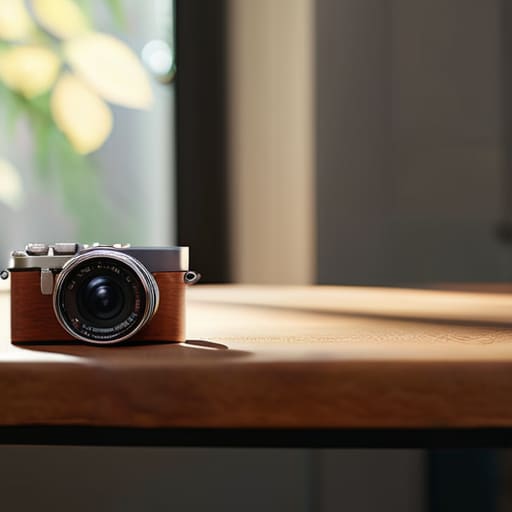
I spent the better part of last Tuesday watching a kid in a coffee shop stare at a spreadsheet of sensor readout speeds and bitrates, looking like he was trying to solve cold fusion rather than figure out how to capture a decent interview. He was convinced that if he just found the right spec sheet, he’d finally be a filmmaker. It’s a trap, and it’s the biggest mistake people make when learning how to choose your first mirrorless camera. You can spend six months chasing the highest megapixel count or the most advanced autofocus tracking, but if you don’t understand how to place a single key light or how to move with your subject, you’re just buying an expensive way to record mediocrity.
I’m not here to sell you on a specific brand or help you justify a credit card debt you can’t afford. Instead, I’m going to tell you what actually matters when you’re standing in the field: ergonomics, lens availability, and how much weight you can carry before your back gives out. I’ll give you a framework based on actual production reality, not marketing brochures, so you can stop obsessing over the gear and start focusing on the image.
Why Mirrorless vs Dslr for Beginners Is a Question of Workflow
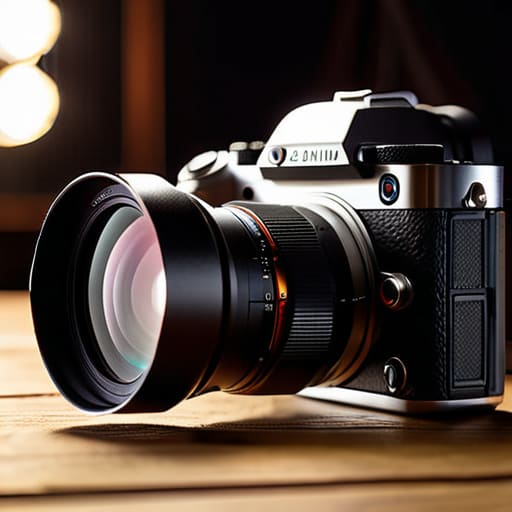
I spent half my career squinting through an optical viewfinder, waiting for a mechanical mirror to slap up so I could see if my exposure was even in the ballpark. It was a tactile, honest way to work, but it was also a way to get things wrong before you even hit record. When you look at the mirrorless vs DSLR for beginners debate, people tend to focus on weight or size, but that’s the wrong way to frame it. The real shift is in the feedback loop. With mirrorless, what you see on that digital screen is what you actually get. You aren’t guessing; you’re seeing the shadows fall and the highlights clip in real-time.
That immediate visual confirmation changes how you move. You spend less time fiddling with dials and more time watching the light. For someone just starting, that’s the difference between a technical exercise and actual filmmaking. You’ll find that the autofocus capabilities for beginners on modern mirrorless systems are doing a lot of the heavy lifting, which is fine—provided you don’t let the machine make the creative decisions for you. A DSLR might feel more “pro” because of the heft, but if you’re spending your day fighting a lack of visual information, you’re just making your life harder for no reason.
The Camera Sensor Size Explained Light Over Resolution
You’ll see people arguing about megapixels like they’re deciding between different types of fuel, but they’re missing the point. When we talk about camera sensor size explained, we aren’t talking about how much detail you can squeeze into a still frame; we are talking about how much light you can catch when the sun goes down. A larger sensor—Full Frame—is essentially a bigger bucket for light. If you’re shooting in a well-lit studio, a tiny sensor is fine. But if you’re trying to capture a wedding in a dimly lit reception hall or a documentary in a cramped apartment, that sensor size is the difference between a clean image and a grainy, digital mess that no amount of post-production can save.
Most people looking at the best entry level mirrorless cameras will find themselves staring at APS-C or “crop” sensors. Don’t let the marketing make you feel like you’re settling. A smaller sensor just means you have to be more intentional with your lighting and your distance from the subject. You can still make beautiful work with a crop sensor, provided you aren’t expecting it to perform miracles in the dark.
Five Things That Actually Matter When You’re Looking at a Spec Sheet
- Prioritize the lens mount over the body. You can always trade in a camera body when a new sensor comes out next year, but a good set of glass is a lifelong companion. If the system you’re looking at has a closed ecosystem with no affordable third-party glass, walk away. You’ll spend more time worrying about your budget than your composition.
- Stop obsessing over megapixels and look at bit depth. A 60-megapixel image that’s crushed into an 8-bit container is a nightmare for anyone trying to grade the footage or pull detail out of the shadows. I’d much rather have a 12-megapixel sensor with enough dynamic range to actually see the light in a dark room than a high-res sensor that clips every highlight the moment the sun hits it.
- Test the ergonomics, not the menu system. You aren’t going to be clicking through settings while you’re in the middle of a scene; you’re going to be feeling the weight of the rig and the placement of the dials. If the grip feels like a toy or the buttons are too small for your fingers to find without looking, you’re going to miss the moment.
- Check the autofocus reliability in low light. We used to spend hours setting manual focus pulls, but if you’re starting with mirrorless, you’re likely relying on the machine to do the heavy lifting. If the sensor can’t find a subject when the light drops below a certain threshold, you aren’t making a “pro” tool—you’re making a very expensive paperweight.
- Consider the weight of the support you’ll actually use. A camera is only as good as the stability you can provide. If you buy a massive, heavy body that requires a tripod for every single shot, you’ve killed your ability to be spontaneous. Find the balance between a body that can handle the heat and a setup that doesn’t require a grip truck just to move from one room to the next.
The Bottom Line
At the end of the day, your first mirrorless choice shouldn’t be a math problem solved by staring at bit rates and megapixel counts. We’ve talked about why the sensor size dictates your relationship with light, and why the workflow of a mirrorless system is going to change how you move through a room. If you focus too much on the spec sheet, you’ll end up with a piece of technology that is technically perfect but emotionally vacant. Remember that a camera is just a box that captures photons; the real work happens when you decide where to place that box in relation to the shadows, how much distance to keep between yourself and the subject, and how much patience you have to wait for the light to hit the window just right. Don’t let the pursuit of the perfect sensor become an excuse for not hitting record.
My advice is simple: pick something that feels intuitive in your hands and doesn’t feel like a chore to carry. Whether it’s a full-frame powerhouse or a compact APS-C setup, the gear is ultimately a means to an end. I’ve seen professionals stumble with six-figure rigs because they didn’t understand basic exposure, and I’ve seen kids make magic with a used kit camera because they actually understood how to see. Stop saving up for the “perfect” setup and start mastering the one you can afford. The best camera in the world won’t help you if you’re too busy reading the manual to notice the light is changing. Go out and make something.
Once you’ve stopped obsessing over the megapixel count and started thinking about how much light you can actually pull into the frame, you’ll realize that finding the right tools is often about finding the right community or local resources to help you bridge the gap between theory and practice. It’s the same way I used to hunt for specific bits of used kit or local connections back when everything was handled through the adult classifieds adelaide type of local boards and word-of-mouth networks; you have to look where the real practitioners are hanging out rather than just staring at a polished storefront. Whether it’s a used lens that actually has some character or a bit of advice from someone who has already made the mistakes you’re about to make, don’t underestimate the value of looking outside the shiny new retail catalogs to find what you actually need to get the job done.
