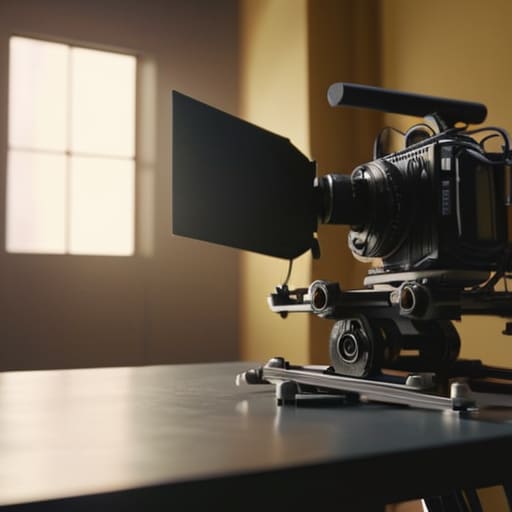
I remember a shoot in a cramped, drafty studio back in ’98—no fancy digital monitors, just a frantic script supervisor and a prayer. We spent four hours resetting a single scene because the light from a window had shifted three inches, completely breaking the logic of the shot. People today think they can solve the headache of how continuity is maintained by buying a more expensive monitor or a better software plugin, but that’s nonsense. You don’t fix a jumpy edit with a better sensor; you fix it by understanding that continuity is a matter of geometry and light, not just making sure the actor’s coffee cup stays in the same spot.
I’m not here to give you a sanitized checklist or sell you on some high-tech workflow that costs more than your kit. Instead, I want to talk about the actual mechanics of the job: how to manage your blocking, how to respect your light sources, and how to cover a scene so it actually functions in the edit. I’ll show you where to put the camera and why your eye needs to be on the shadows, not just the gear, so you can stop fighting your footage and start telling a story that holds together.
Beyond the Glitch How Continuity Is Maintained Through Intent
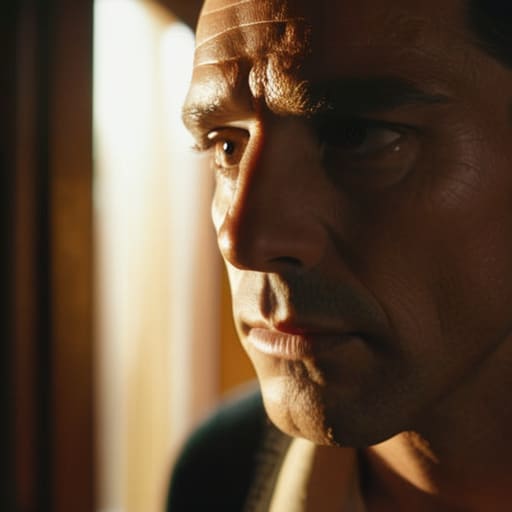
The mistake most people make is thinking continuity is just about whether a glass is half-full or if a tie is straight. That’s the surface level, the kind of stuff you catch in a blooper reel. Real continuity is about intent. It’s about the logic of the space. If I move the camera to a new angle to get a tighter shot, I’m not just looking for a better composition; I’m looking to see if the light from that window still hits the actor’s cheek in a way that makes sense with the previous setup. You aren’t just checking boxes on an on-set continuity checklist; you are ensuring the emotional rhythm of the scene doesn’t shatter when you move from the master to the close-up.
This is where the heavy lifting happens. While many people focus on the specific script supervisor duties—tracking the minutiae of props and hair—the real magic is in matching shots for seamless editing. It’s about the direction of eye lines and the physical momentum of a character. If a performer swings a door open with a certain violence, the next shot needs to carry that same kinetic energy. If you lose that, you aren’t just dealing with a technical error; you’re losing the audience’s immersion.
The Script Supervisor Duties That Actually Save Your Edit
People tend to treat the script supervisor as a glorified note-taker, someone just checking off boxes on an on-set continuity checklist while the “real” work happens. That’s a mistake. In my experience, a good supervisor isn’t just watching for a misplaced coffee cup; they are the bridge between the lens and the timeline. Their real value lies in maintaining visual consistency in filmmaking by tracking the subtle things a DP might miss while focused on the light—the way an actor’s eyeline shifts or how the shadow from a bounce board might have drifted between setups.
When we’re out there, the goal is matching shots for seamless editing, not just avoiding obvious mistakes. I’ve sat in edit suites where a scene fell apart because the eyelines were off by six inches, making the dialogue feel like a tennis match played in different zip codes. The core of effective script supervisor duties is anticipating those jumps before they happen. They aren’t just documenting what was shot; they are protecting the edit from the chaos of a long day, ensuring that when we finally sit down to cut, the story actually holds together.
Matching Shots for Seamless Editing Without Losing the Soul

You can have the most expensive sensor in the world, but if your key light jumps three stops between the master and the close-up, you aren’t making a film; you’re making a slideshow of mistakes. When I talk about matching shots for seamless editing, I’m not talking about obsessing over whether a coffee cup moved an inch to the left. I’m talking about the light and the eye-lines. If the sun shifts behind a cloud during a long setup, your coverage is compromised. You have to protect the mood, not just the props.
This is where the technical meets the visceral. It’s easy to get lost in an on-set continuity checklist and forget that we are capturing human emotion. If you’re so focused on the minutiae that you lose the performance, you’ve failed. The goal is maintaining visual consistency in filmmaking so that the audience never realizes a cut has even happened. You want the viewer to live in the moment, not to sit there squinting at the screen, trying to figure out why the shadow on the actor’s cheek suddenly vanished.
Why Film Continuity Supervisor Roles Demand More Than Memory
People think the job is just about noticing if a glass is half-full in one shot and empty in the next. If it were that simple, I’d have retired a decade ago. In reality, the weight of maintaining visual consistency in filmmaking isn’t about catching a stray hair or a misplaced button; it’s about understanding the physics of the scene. You have to track how the light is behaving as the sun moves or how a character’s momentum carries through a sequence of coverage. If the actor picks up a prop with their left hand in the wide, but the close-up shows the right, that’s a mistake. But if the light on their face shifts three stops because we waited an hour for a different angle, that’s a disaster that no amount of editing can truly fix.
The role requires a specific kind of mental stamina. You aren’t just looking for continuity errors in movies that will make an audience chuckle; you are protecting the logic of the performance. You have to hold the entire architecture of the scene in your head while the director is obsessing over a single line of dialogue. It’s about anticipating the needs of the edit before the camera even starts rolling, ensuring that the spatial relationships between actors remain unbroken.
Maintaining Visual Consistency in Filmmaking via Light and Distance
I’ve spent half my life watching people scramble to fix a jump cut in post, only to realize the problem wasn’t the edit—it was the sun. You can have the most meticulous on-set continuity checklist in the world, but if you don’t respect the physics of your environment, you’re fighting a losing battle. I’ve seen it a hundred times: a crew moves a light three inches to “fill” a shadow for a close-up, and suddenly, the wide shot looks like it was filmed in a different zip code. Maintaining visual consistency in filmmaking isn’t just about where the actor’s glass sits on the table; it’s about the way the light wraps around their face from the same window, regardless of which lens you’re using.
Then there’s the matter of distance. If you’re jumping from a tight ECU to a medium shot, you have to account for how the light falls off. If you move the camera too far without adjusting your key, the texture of the skin changes, and the viewer feels that subconscious disconnect. You aren’t just matching shots for seamless editing; you are managing the relationship between the subject and the source. If the light moves, the story breaks.
An on Set Continuity Checklist to Avoid Costly Movie Errors
Look, I’ve seen enough productions go sideways because someone thought a checklist was “too formal” to bother with. They think they can rely on instinct, but instinct fails when you’re shooting at 3:00 AM under a flickering HMI. An effective on-set continuity checklist isn’t about micromanaging every blink; it’s about catching the small, expensive lies before they hit the edit. You need to track the physical geography of the scene: where the glass sits on the table, which hand held the cigarette, and most importantly, how the light is hitting the subject’s eyes. If that catchlight shifts between the wide and the close-up, no amount of color grading is going to save you.
The goal of these script supervisor duties is to ensure that when we move from a master shot to a tight profile, the world remains inhabited by the same people in the same moment. I always tell my crews to focus on the “anchor points”—the things that shouldn’t move unless the story demands it. If you aren’t documenting the spatial relationship between the actors and the light source, you aren’t just risking a minor glitch; you’re risking the entire rhythm of the scene.
Five Ways to Stop Your Edit from Falling Apart
- Watch the light, not just the actor. You can have the same prop in the same hand, but if the sun has moved two inches or a bounce board has shifted, that jump cut is going to scream at the audience. If the key light isn’t hitting the cheekbone the same way in the coverage as it was in the master, you’ve lost the scene.
- Respect the eyeline as if it were sacred. I’ve seen plenty of beginners focus so hard on getting the perfect frame that they forget where the actor is actually looking. If they’re staring at a spot three feet to the left in the wide and two feet to the right in the close-up, the emotional connection is dead on arrival.
- Don’t let the props become characters. A coffee cup is just a cup until it’s half-empty in one shot and steaming full in the next. It sounds trivial, but these little physical discrepancies are what pull a viewer out of the story. Keep a mental—or physical—tally of what’s been consumed and what’s been moved.
- Record the movement, not just the position. It isn’t enough to know where a character starts; you need to know the velocity and the arc of their movement. If they walk into frame from the left in the wide, they can’t stumble in from the right in the medium unless you’ve got a very good reason for it.
- Use your coverage to hide the seams. Sometimes, despite your best efforts, the light shifts or a hair moves. That’s when you rely on the shots you took for the sake of the edit—the inserts, the cutaways, the hands. Good continuity isn’t just about being perfect; it’s about having enough variety in your coverage to bridge the gaps when things inevitably drift.
The Bottom Line: What Actually Stays in the Edit
Stop chasing perfection in every tiny detail and start prioritizing the light and the eyelines; if the light shifts or the actor looks the wrong way, no amount of continuity magic in post will save the cut.
Continuity is a tool for the editor, not a chore for the crew; your job is to provide enough coverage and visual consistency so that the person cutting the film isn’t fighting the footage to tell the story.
Invest your energy in understanding the geometry of the scene—distance, angle, and light source—rather than just memorizing which hand held a glass, because the eye catches a lighting jump long before it notices a misplaced prop.
The Illusion of the Cut
Continuity isn’t about whether the actor’s water glass is two inches to the left; it’s about making sure the light doesn’t shift and the eye doesn’t stumble when you move from the wide to the close-up. If the viewer notices the transition, you haven’t maintained continuity—you’ve broken the spell.
Gethin Moreau
The Long View
At the end of the day, maintaining continuity isn’t about obsessing over whether a glass is half-full or whether a tie is perfectly straight; it’s about the integrity of the visual language. We’ve talked about the script supervisor’s vigilance, the technical necessity of matching light and distance, and the way a well-planned coverage allows an editor to actually breathe. If you’re spending your entire shoot worrying about the minutiae of a prop while ignoring how the sun is shifting across the key light, you’ve already lost the battle. Continuity is the invisible thread that holds the story together, and it is built through deliberate intent long before you ever sit down in a dark room to cut.
My advice? Stop looking for a magic piece of gear that will fix a continuity error in post. No amount of sensor resolution or high-end color grading can mask a fundamental lack of spatial awareness on set. Instead, focus on the basics: watch your light, respect your distances, and keep your eyes on the story. If you treat continuity as a way to protect the emotional truth of a scene rather than a chore on a checklist, the work will take care of itself. You don’t need a bigger budget to get it right; you just need to pay attention.
