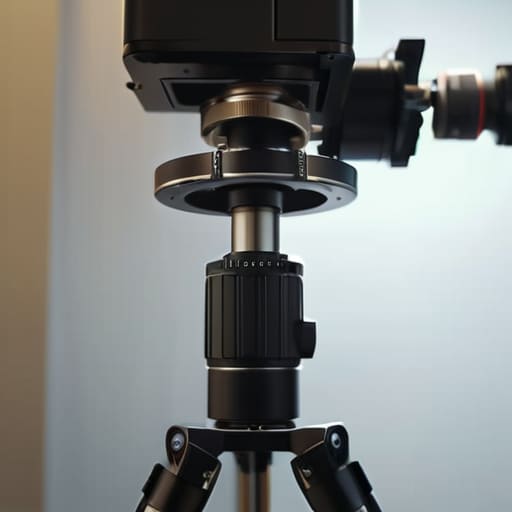
I remember a shoot in a cramped, humid studio in East London back in ’04, trying to track a subject through a narrow doorway. I was using a tripod that had more “features” than sense, and every time I tried to pan, the movement felt like it was fighting me—stuttering, jerking, or suddenly giving way like a broken limb. People will spend weeks watching spec videos trying to understand how fluid heads differ based on weight capacities or damping coefficients, but they miss the point entirely. It isn’t about the numbers on a spreadsheet; it’s about whether the resistance feels natural when you’re exhausted and the sun is going down.
I’m not here to sell you a lifestyle or a piece of kit that promises “cinematic perfection” through a higher price tag. My goal is to strip away the marketing fluff and talk about the actual physics of motion and the mechanical reality of what you’re holding in your hands. We’re going to look at drag, counterbalance, and why a cheap head can ruin a beautiful shot more effectively than a bad sensor ever could. I’ll tell you what matters for your footage and, more importantly, what doesn’t.
Understanding How Fluid Heads Differ
The fundamental difference isn’t just in the name; it’s in how the physics of the movement feels under your hands. A standard mechanical head relies on friction—metal rubbing against metal or a simple tension screw—to keep the camera from flopping over. It’s fine for a static shot or a quick snap, but it lacks soul. A fluid head, true to its name, uses a viscous liquid (usually a specialized silicone oil) trapped within the mechanism to create a consistent, controlled drag. This isn’t about stopping the movement; it’s about shaping it. When you’re tracking a subject across a room, you don’t want the camera to jerk or stutter every time you nudge the handle. You want that smooth, relentless momentum that makes the viewer feel like they are gliding through the scene rather than watching a machine work.
This brings us to the real reason we bother with the extra weight: pan and tilt resistance. In a professional setting, you aren’t just moving a camera; you are managing inertia. A decent fluid head allows for precise fluid head tension adjustment, meaning you can dial in the exact amount of drag needed to counteract the specific weight of your rig. If the resistance is too light, your pans will overshoot and look amateur; too heavy, and you’ll fight the gear until your wrists ache. It’s a delicate balance of resistance and grace.
Key Things to Know

First, you need to understand that resistance isn’t a binary setting; it’s a conversation between you and the rig. When we talk about pan and tilt resistance, we aren’t just talking about making it harder to move the camera. We’re talking about the viscosity of the internal drag. A cheap head might feel stiff, but it’ll often “stutter” as you move, breaking that seamless flow you need for a professional look. You want a head where the movement feels like it’s moving through honey, not sand.
Second, don’t ignore the importance of fluid head tension adjustment. I’ve seen too many shooters struggle with a setup because they thought a heavier counterweight was the answer, when really they just hadn’t dialed in the drag to match their specific lens weight. If you’re comparing a fluid head vs mechanical head, remember that the mechanical version is built for precision and locking, while the fluid head is built for the grace of the motion. If your tension is off, your camera movement stability goes out the window, and no amount of post-production stabilization is going to make a jerky pan look intentional.
Practical Tips and Steps
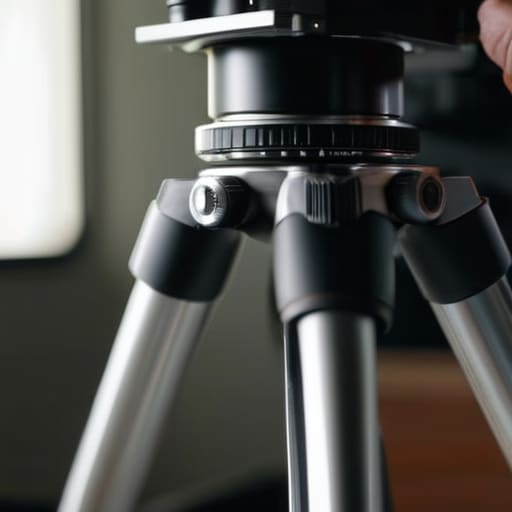
Before you go out and drop a month’s rent on a new tripod, do this: take your current rig, mount your heaviest lens, and actually try to move it. I’ve seen too many beginners mistake a heavy, expensive piece of kit for talent. You need to find the sweet spot of pan and tilt resistance by testing the drag at different speeds. If you start a pan and it feels like you’re fighting a hydraulic press, or if it catches and jumps mid-motion, you aren’t getting professional results; you’re just getting frustrated.
Once you have the gear in hand, stop looking at the brand name and start looking at the fluid head tension adjustment knobs. A good head should allow you to dial in a resistance that feels like it’s holding your hand through the movement, rather than fighting against it. I always tell my assistants to test the transition from a slow tilt to a stop; if there is any oscillation or “bounce” at the end of the move, your camera movement stability is compromised. It’s not about the specs on the box; it’s about whether the motion feels like an extension of your own intent.
Common Mistakes to Avoid
The biggest mistake I see—usually from people who have more money than time on set—is buying a head based solely on its payload capacity without actually feeling the drag. Just because a head says it can carry twenty pounds doesn’t mean it can move twenty pounds with any semblance of grace. People often get caught up in the technicalities of a fluid head vs mechanical head comparison, forgetting that if the resistance feels jerky or inconsistent, your footage is going to look amateurish regardless of your sensor. If you can’t find that sweet spot where the movement feels like it’s floating on oil rather than grinding through sand, you’re fighting the gear instead of capturing the scene.
Another trap is neglecting the fine-tuning. I’ve watched shooters try to compensate for poor pan and tilt resistance by moving the camera faster or slower, trying to “muscle” the shot into submission. That’s a losing battle. You don’t fix a bad movement with more physical effort; you fix it with fluid head tension adjustment. If you aren’t taking the five minutes to dial in the drag for the specific weight of your build, you aren’t using the tool; you’re just wrestling it.
Final Thoughts
At the end of the day, don’t let the marketing brochures convince you that a more expensive piece of professional cinematography equipment will magically fix a lack of intentionality. You can spend a small fortune on a head with infinite fluid head tension adjustment settings, but if you haven’t practiced your breathing or understood your subject’s movement, you’re still going to deliver shaky, unwatchable footage. A good head is a tool for control, not a substitute for a steady hand and a disciplined eye.
If you find yourself stuck in the debate of fluid head vs mechanical head, remember that the choice usually comes down to the specific language of your project. A mechanical head might serve a niche purpose, but for most of us, it’s the predictable pan and tilt resistance that allows us to actually tell a story through movement. Stop obsessing over the spec sheets and start testing how the gear feels when you’re tired, under-lit, and running out of daylight. That’s when you’ll find out if your kit is actually working for you, or if you’re just carrying extra weight.
Five Ways to Stop Fighting Your Tripod
- Stop looking at the payload capacity on the box and start feeling the drag. A head might say it can carry twenty pounds, but if the resistance feels like you’re trying to pan through cold molasses, you’re going to lose every smooth shot you attempt.
- Don’t buy for the camera you have today; buy for the rig you’ll have in two years. I’ve seen too many kids buy a lightweight travel head for a mirrorless setup, only to realize six months later that once they add a decent cine lens and a matte box, the head is bouncing like a toy.
- Pay attention to the counterbalance, not just the tension. A good fluid head should feel like it wants to stay where you put it, rather than constantly trying to pitch forward or back. If you’re fighting the tilt every single time you frame a shot, you aren’t filming; you’re wrestling.
- Learn the difference between “smooth” and “mushy.” There’s a fine line between a head that glides and one that feels disconnected from the movement. You want to feel the weight of the camera in your hands, not feel like you’re moving through a vat of oil.
- Check the pan drag when the camera is tilted. A lot of heads feel great when they’re level, but the moment you tilt the camera up for a low-angle shot, the resistance changes completely. If the drag isn’t consistent across the tilt, your pans will always look jerky.
The Short Version
Stop chasing the highest drag number on a spec sheet; a head is only as good as how it feels when you’re actually trying to track a moving subject in a cramped room.
Your camera’s weight is a moving target once you add matte boxes, monitors, and follow focus motors, so always buy for the kit you’ll actually have on set, not the one you wish you had.
If the pan feels jerky or the tilt is fighting you, it’s rarely a gear failure—it’s usually a failure to balance the load or a lack of patience with the adjustment knobs.
The Myth of the Spec Sheet
People spend weeks debating the exact Newton-meters of drag on a spec sheet, as if a number on a page can tell you how a pan will actually feel when you’re exhausted on hour ten of a shoot. The real difference between a good head and a mediocre one isn’t the resistance—it’s how much it lets you stay in the moment without fighting the gear to keep the frame steady.
Gethin Moreau
The Bottom Line
At the end of the day, choosing a fluid head isn’t about finding the one with the most expensive drag settings or the prettiest marketing brochure. It’s about understanding that the head is the bridge between your intention and the sensor. You need to know if the resistance is consistent enough to handle a slow, meaningful pan, or if it’s going to fight you when you’re trying to track a subject across a room. Remember: the weight of your rig dictates the stability, but the quality of the fluid dictates the soul of the movement. Don’t get caught out by a cheap head that feels smooth in the shop but turns into a jerky, unpredictable mess once you’re actually on location under pressure.
I’ve seen incredible shots ruined by a shaky pan, and I’ve seen mediocre shots made beautiful by a single, perfectly executed tilt. You can buy the most advanced gimbal on the market, but if you don’t understand how to manage the physical physics of your setup, you’re just spinning your wheels. My advice? Stop obsessing over the spec sheet and start practicing your movements. Master the gear you have, learn the limits of its resistance, and eventually, the equipment will stop being a hurdle and start being an extension of your eye. The camera is just a tool; the movement is where the story lives.
