I remember a shoot in a cramped, windowless basement in South London—nothing but a single, flickering tungsten bulb and a crew that was exhausted before we even rolled. The client wanted “cinematic energy,” which is usually code for “I don’t know what I want, so just make it move.” They thought buying a high-end gimbal would solve everything, but they didn’t realize that understanding how handheld differs from tripod work isn’t about the stabilizer you buy; it’s about the intent behind the movement. You don’t pick up the camera just to add shake; you pick it up because the stillness of a tripod is lying to the audience about how the characters actually feel.
I’m not here to sell you on a new rig or tell you that a certain sensor will make your shaky footage look intentional. What I want to do is strip away the gear-obsessed nonsense and talk about coverage and psychology. I’ll show you when a tripod is your best friend for establishing a sense of permanence, and when the handheld approach is the only way to capture the uncomfortable truth of a scene. We’re going to talk about light, blocking, and why your choice of stability dictates how the story actually cuts together.
Understanding How Handheld Differs From Tripod Work
When you lock a camera onto a tripod, you’re making a pact with the audience: “This is an objective observer.” The tripod mounting advantages are obvious—you get that rock-solid frame that allows the viewer to focus on the performance or the architecture without being distracted by the person behind the lens. It’s about intentionality. When the frame is static, every micro-movement within the shot—a character’s glance, a door opening—becomes a deliberate piece of information. You aren’t fighting the gear; you’re letting the composition do the heavy lifting.
Handheld is a different beast entirely. It isn’t just “unstable” footage; it’s about visual storytelling through camera movement that feels lived-in. When I’m shooting a documentary or a tense sequence, I’m looking for that organic motion that mimics a human eye or a nervous observer. It’s the difference between watching a play and standing in the middle of a crowd. Of course, there is a fine line between “energetic” and “unwatchable.” If you can’t distinguish between purposeful movement and accidental camera shake, you aren’t making a stylistic choice—you’re just making the audience nauseous.
Key Things to Know
First, you have to understand that a tripod isn’t just a way to keep things still; it’s a way to establish a point of view. When you use tripod mounting advantages, you’re telling the audience that what they are seeing is intentional, framed, and perhaps even a bit detached. It’s for those moments where the geography of the room matters more than the sweat on the actor’s brow. If the light is coming from a single window and you want that stillness to feel heavy, you put the camera on sticks. You don’t need a fancy sensor to tell a story that’s anchored.
On the flip side, if you’re looking for organic motion, you have to accept a certain level of chaos. People get obsessed with the debate of gimbal vs handheld shooting, thinking a stabilizer is a magic wand for quality. It isn’t. A gimbal can make a shot look smooth, but it can also make it look sterile and soulless if you don’t have the blocking to back it up. Handheld is about the breathing of the operator; it’s about being in the room, feeling the tension. Just remember: if you can’t control the shake, you aren’t directing, you’re just hoping for the best.
Practical Tips and Steps
If you’re going to go handheld, stop trying to be a human gimbal. I’ve seen too many beginners fight the camera, trying to achieve a steady shot that looks unnatural because they’re tensing every muscle in their arms. If you want that organic motion, you have to breathe with the camera. Use your body as a shock absorber—knees slightly bent, elbows tucked in, and find a point of contact with the environment if you can. It’s about controlled chaos, not fighting the physics of camera shake vs stability.
When you’re setting up for a tripod, don’t just nail the frame and walk away. The advantage of a tripod isn’t just a still image; it’s the ability to execute precise, repeatable movements like slow pans or tilts that feel intentional. If the scene requires a sense of voyeurism or frantic energy, ditch the legs. But if you’re building a sequence that relies on visual storytelling through camera movement, decide early if the camera is an observer or a participant. Most of the time, the best choice is simply knowing when to stop moving altogether and let the light do the heavy lifting.
Common Mistakes to Avoid
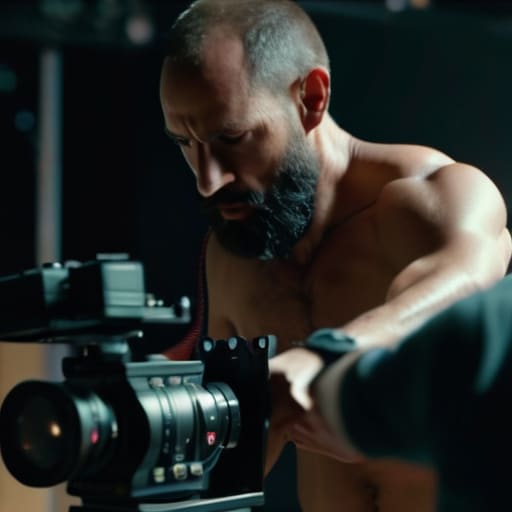
The biggest mistake I see lately is the assumption that “handheld” is a synonym for “uncontrolled.” People think they can just grab the rig, walk into a room, and let the chaos do the work for them. That isn’t visual storytelling; it’s just a headache for the editor. There is a massive difference between organic motion and a lack of intent. If you aren’t breathing with the camera, if you aren’t aware of where your center of gravity is, you aren’t creating energy—you’re just creating camera shake vs stability issues that no amount of post-production stabilization can truly fix without making the image look like it’s underwater.
Then there’s the “middle ground” trap. I see operators ditching a tripod because they want something more dynamic, only to pick up a gimbal and end up with a floating, disconnected look that feels like a high-end real estate video. If you want that floating sensation, use the tool designed for it. If you want the grit of a handheld shot, commit to it. Don’t try to find a “safe” compromise that ends up feeling neither steady nor human. Pick a side and own the movement.
Final Thoughts
At the end of the day, choosing between a fixed mount and your own two hands isn’t about which one is “better” or which sensor handles the noise more gracefully. It’s about whether the scene needs to breathe or if it needs to stand still and let the performance do the heavy lifting. I’ve spent enough time on sets to know that a perfectly steady shot can sometimes feel as lifeless as a still photograph, while too much organic motion can turn a serious drama into a nauseating mess that no editor on earth can save.
Don’t get caught in the trap of thinking a new gimbal will solve your lack of intentionality. Whether you are leaning into the grit of handheld or utilizing the precision of tripod mounting advantages, the goal remains the same: visual storytelling through camera movement. If you don’t know why the camera is moving, it shouldn’t be moving at all. Stop worrying about the gear specs for a second, look at your lighting, look at your actors, and then decide if you actually need to be standing still.
Five ways to stop treating your camera like a piece of furniture
- Stop chasing the “shaky cam” look. Real handheld work isn’t about vibrating like you’re having a caffeine overdose; it’s about breathing with the scene. If the light is coming from a single window and the mood is quiet, a frantic handheld movement will just look amateur. Use the movement to emphasize the character’s tension, not to mask a lack of intentionality.
- Learn to use your body as a stabilizer, not just your grip. When I’m off the tripod, I’m thinking about my stance, my elbows tucked, my center of gravity. If you’re just holding the rig out at arm’s length because you want a “dynamic” angle, you’re going to end up with footage that’s impossible to cut.
- Respect the tripod’s relationship with the light. When you’re locked down, you can be surgical with your exposure and your framing. Once you go handheld, your relationship with the light changes because your position is fluid. Don’t commit to a tight close-up on a tripod if you haven’t checked if the light falls off the moment you step two inches to the left.
- Plan your coverage for the edit, especially when moving. A tripod shot is a predictable anchor for an editor. A handheld shot is a variable. If you’re shooting a sequence handheld, make sure you get those steady, tripod-style “safety” shots first. You’ll thank me in the edit suite when you need a clean master to bridge two chaotic handheld moments.
- Match the energy, not just the movement. If the scene is a conversation in a quiet cafe, a tripod is your friend for stability and observation. If it’s a pursuit through a crowded market, the handheld is how you pull the audience into the dirt. Don’t use handheld just because you think it looks “cinematic”—use it because the story demands that specific level of unrest.
The Bottom Line
Stop looking for a new stabilizer to fix a lack of intent; choose your method based on the emotion of the scene, not the ease of the setup.
A tripod isn’t just for stability—it’s for composition and breathing room—while handheld isn’t just for “energy”—it’s for proximity and tension.
If you can’t make the shot work with a well-placed lamp and a solid sense of blocking, no amount of gimbal smoothing or steady-cam magic is going to save the edit.
The Choice Between Control and Chaos
A tripod is there to give you a composed, reliable frame that respects the geometry of the room, but handheld is how you actually capture the breathing, nervous energy of a person—just don’t mistake a lack of stability for a stylistic choice, because if the movement doesn’t serve the story, it’s just an expensive way to give the audience a headache.
Gethin Moreau
The Choice is Yours
At the end of the day, the decision between a tripod and handheld isn’t about which method is technically superior; it’s about what the story requires of the viewer. If you need the audience to feel like an invisible, steady observer of a controlled environment, you lock it down. If you want them to feel the sweat, the panic, or the unvarnished truth of a moment, you pick it up and find your footing. Remember that a tripod provides the structural foundation for your composition, while handheld provides the emotional pulse. Don’t use a stabilizer just because you’re afraid of a little shake, and don’t go handheld just because you’re too lazy to build a proper shot.
I’ve spent decades staring through viewfinders, and if there’s one thing I’ve learned, it’s that the gear is the least interesting part of the equation. You can have the most expensive fluid head in the world, but if you don’t understand the light hitting your subject, the shot is dead on arrival. Conversely, you can shoot a masterpiece on a shaky shoulder rig if you know exactly where to stand and how to move with the action. Stop worrying about the perfect kit and start focusing on intentionality. Whether the camera is breathing with the actor or anchored to the earth, make sure every single frame is a deliberate choice.
