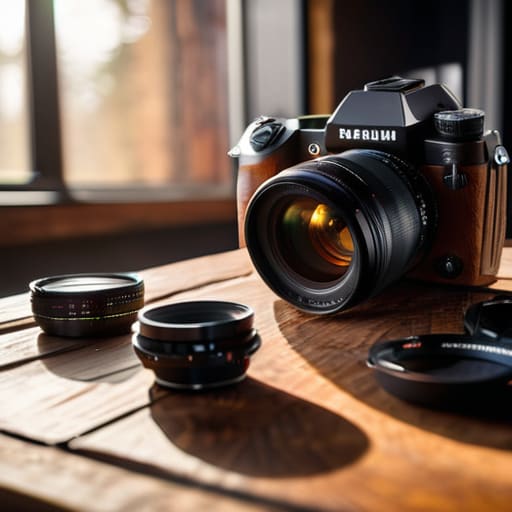
I remember standing in a rainy alley in South London fifteen years ago, watching a rental technician carefully pack a battered Arri kit while I stared at my own cracked lens, wondering if my career had just ended with a single trip over a loose cobblestone. Everyone wants to talk about dynamic range or the latest sensor readout, but nobody wants to talk about the gut-wrenching silence that follows a heavy thud on set. Most people approach the question of how to insure camera equipment by looking for the cheapest premium or the flashiest policy, treating it like a checkbox on a production rider rather than what it actually is: the only thing standing between you and professional bankruptcy.
I’m not here to sell you a policy or walk you through a mountain of fine print that even a lawyer would find tedious. Instead, I’m going to tell you how to actually protect your livelihood without getting fleeced by the industry’s gatekeepers. We’ll look at what actually matters—coverage for transit, theft, and that inevitable moment of human error—and I’ll show you how to navigate the paperwork so you can focus on the light instead of the what-ifs.
Understanding How to Insure Camera Equipment
First, you have to stop thinking about insurance like you’re insuring a car or a house. A car stays in a garage most of the time; your gear lives in the back of a van, gets hauled up ladders, and spends its life being bumped against concrete. Most people start by looking at standard homeowners’ policies, but that’s a mistake. Those policies are built for things that sit still. For us, you need specialized equipment coverage that actually understands the reality of a working set. You need a policy that follows the kit from the studio to the location, and from the location to the repair shop.
The real meat of the conversation is usually about inland marine insurance for gear. Don’t let the name fool you—it has nothing to do with the ocean. It’s a specific type of coverage designed for property that is frequently in transit. It’s the only way to ensure that if a tripod leg snaps or a lens gets dropped during a frantic changeover, you aren’t paying for it out of your own pocket. When you’re looking at professional camera insurance policies, make sure they cover “replacement cost” rather than “actual cash value.” I’ve seen too many young shooters get a check for a fraction of what a new sensor actually costs, leaving them stuck in the middle of a contract with nothing to shoot on.
Key Things to Know
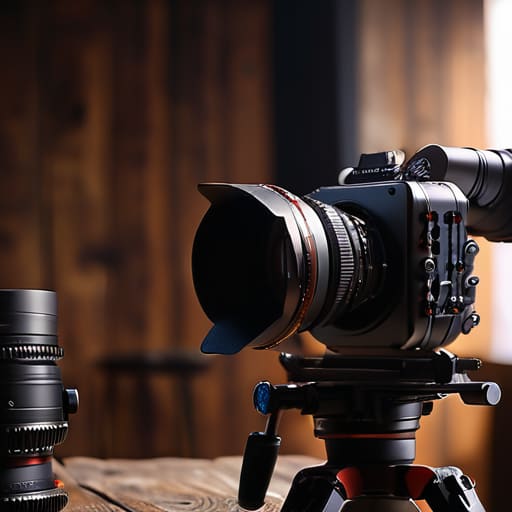
First, you need to understand that a standard homeowner’s policy is about as useful as a flashlight with dead batteries when you’re out on a location. Most people assume their domestic coverage extends to their livelihood, but the moment an adjuster sees a tripod and a cinema rig, they’ll realize it’s a commercial venture and deny the claim. You aren’t looking for general protection; you need specialized equipment coverage that actually understands the difference between a consumer DSLR and a kit that costs more than my first car.
When you’re shopping around, don’t just look at the premium. Look at the fine print regarding accidental damage for photographers. I’ve seen guys lose a week of work because their policy covered theft from a locked vehicle but wouldn’t touch a lens that met a concrete floor during a clumsy setup change. You want a policy that follows the gear, wherever you take it, whether that’s a studio in London or a muddy field in Wales. If you’re serious, look into inland marine insurance for gear—it’s an old term, but it’s the industry standard for a reason. It covers your kit while it’s in transit or in use, which is exactly where the real trouble starts.
Practical Tips and Steps

First, stop treating your gear like it lives in a museum. The moment it leaves your bag, it’s at risk. I’ve seen a thousand-dollar lens meet a concrete floor because someone thought they could “just wing it” with a handheld rig. When you’re looking at professional camera insurance policies, don’t just look at the premium; look at the fine print regarding transit. You need to know if you’re covered when you’re hauling a kit through a rainy alleyway or loading a van in the dark. Most people forget that the most dangerous part of the job isn’t the shoot itself, but the movement between locations.
Second, get organized. If you can’t prove you owned it, you’re going to have a hell of a time collecting a claim. Keep a digital spreadsheet of every serial number, every receipt, and—this is the part people skip—photographing your gear in its current state. If a sensor gets fried or a body takes a hit, having a dated photo of that specific kit makes the process much less of a headache. It’s not about being paranoid; it’s about making sure that when the inevitable happens, you aren’t left staring at an empty Pelican case and a mounting pile of debt.
Common Mistakes to Avoid
The biggest mistake I see isn’t a lack of coverage, but a lack of understanding of what that coverage actually covers. People often assume a standard business policy handles everything, only to find out they aren’t covered when a tripod leg snaps on uneven terrain or a light stand topples during a gust of wind. You need to look closely at the fine print regarding accidental damage for photographers. If your policy only covers theft or fire, you’re essentially walking a tightrope without a net. I’ve seen too many freelancers assume they’re protected, only to realize their “comprehensive” plan excludes the very mishaps that happen most often on a real, messy set.
Another trap is underestimating the value of your kit by grouping it all into one lump sum. Don’t just tell an agent you have “camera gear”; you need to be specific about protecting lenses and bodies individually. A single high-end cinema prime can cost more than your entire lighting kit, and if your policy has a low sub-limit for optics, you’re in trouble. Treat your inventory like a shot list—be precise, be thorough, and don’t leave anything to chance.
Final Thoughts
At the end of the day, your kit is just a collection of glass and silicon designed to capture something else. I’ve seen guys lose sleep over a scratched element or a sensor hit by dust, and while I get it, you can’t let the fear of a mishap paralyze your creativity. The goal of getting professional camera insurance policies isn’t to turn you into a cautious, timid shooter; it’s to give you the breathing room to take the shot that actually matters. When you aren’t constantly calculating the replacement cost of a tripod in your head, you can actually focus on the light.
Don’t fall into the trap of thinking a standard homeowner’s policy is enough. It rarely is, and the fine print usually treats a broken lens like a lost sweater. Look for specialized equipment coverage that understands the reality of a working set—the bumps, the rain, and the sheer unpredictability of moving gear from point A to point B. Get it sorted, tuck the paperwork in a drawer, and get back to the work. The insurance is there so that when things go wrong, you can just pick up the pieces and keep shooting.
Five ways to keep your kit from becoming a total liability
- Don’t just insure the body; insure the glass. I’ve seen guys get a policy that covers their RED or Arri body but leaves them naked when a client knocks a $20,000 Cooke lens off a tripod. If it’s in your bag, it needs to be on the rider.
- Get a policy that actually travels. If you’re shooting a documentary in a rainy corner of Scotland or a corporate gig in a high-rise in Dubai, you need “inland marine” coverage—or whatever the local brokers call gear-in-transit protection. If the policy only covers your home studio, you aren’t actually protected when you’re working.
- Keep a digital paper trail of everything. Every time you buy a new sensor or a fresh set of primes, snap a photo of the serial number and the receipt. When a gear bag goes missing from a rental van, “I think I had it” doesn’t hold up with an adjuster. They want numbers, not memories.
- Understand the difference between “accidental damage” and “wear and tear.” A cracked sensor because you dropped a rig is a claim; a sensor that’s failing because it’s ten years old and seen too many suns is just the cost of doing business. Read the fine print so you don’t find out the hard way mid-shoot.
- Check your liability, not just your gear. It’s one thing if your camera breaks; it’s an entirely different nightmare if your lighting setup falls and hits a client. Make sure your insurance covers the damage you might cause to a location or a person, not just the tools in your hands.
The Bottom Line
Don’t mistake a high-end sensor for a safety net; no amount of technical precision matters if a single dropped tripod or a stolen bag ends your production and your bank balance in one afternoon.
Insurance isn’t a way to upgrade your kit, it’s a way to make sure you’re still in the game when the unexpected happens—focus on coverage that actually reflects the reality of a working set, not just a list of serial numbers.
Prioritize the “why” and “how” of your protection over the “what”; knowing how your policy handles transit and replacement time is far more vital than obsessing over the premium itself.
The Cost of a Bad Day
You can spend three years saving up for a new sensor and a set of primes, but if you haven’t sorted your insurance, you’re just one clumsy grip or one spilled coffee away from being a person with a very expensive paperweight and zero way to pay for the next shoot.
Gethin Moreau
The Bottom Line
At the end of the day, insurance isn’t a glamorous part of the job, but it’s the only thing standing between a bad day on set and a permanent exit from the industry. We’ve covered the necessity of specialized gear policies, the importance of reading the fine print on theft versus accidental damage, and why you can’t just rely on a standard homeowner’s rider when you’re hauling a kit through a rainy street. It comes down to being proactive: document your inventory, understand your deductibles, and never assume a piece of kit is covered just because you bought it from a reputable dealer. It’s about protecting your ability to show up and work tomorrow, regardless of what happens to the glass or the body today.
I’ve seen enough broken tripods and spilled coffee on high-end sensors to know that the gear will eventually fail you. It’s a statistical certainty. But the equipment is just a means to an end; it’s the eye behind the viewfinder that actually tells the story. Don’t let the fear of a broken camera paralyze your creativity, but don’t let your lack of preparation ruin your career either. Get the coverage, secure your livelihood, and then get back to the real work: finding the light, framing the shot, and making something that matters.
