
I once spent three days on a documentary shoot in a coastal village, obsessing over the way the morning light hit the salt on the pier, only to realize during the first assembly that the dialogue was a hollow, echoing mess. I had the right lens, the right aperture, and a sensor that could see the dust motes in the air, but I had completely ignored the physics of the room. People spend a fortune on high-end microphones and thinking that a better purchase will fix a bad environment, but they’re missing the point of how audio is mixed for video. You can’t just “fix it in post” with a plugin if you haven’t understood the relationship between the source and the space.
I’m not here to sell you a software subscription or a list of overpriced pre-amps. What I want to do is pull back the curtain on the actual craft of the mix—the part that happens after the camera is packed away. We’re going to talk about levels, frequency battles, and why your background noise is actually a problem of distance and patience. I’ll show you how to build a sonic foundation that actually supports your images, rather than fighting them for the audience’s attention.
The Invisible Architecture Why Good Audio Is a Problem of Patience

The mistake I see most often isn’t a lack of expensive microphones; it’s a lack of discipline during the shoot. People think the magic happens in the suite, but a proper audio post-production workflow actually begins with how much breathing room you give your talent on set. If you’ve recorded a dialogue track that’s buried under a constant, low-frequency hum from an air conditioner, you aren’t just fighting a technical glitch—you’re fighting physics. You can try to fix it later with aggressive audio equalization techniques, but you’ll end up stripping the life out of the voice just to kill the noise. You end up with a thin, hollow sound that feels like it’s coming through a tin can.
Real sound design is about layers and time. It’s the slow, tedious work of balancing dialogue and background noise so that the silence feels heavy rather than empty. It’s about understanding that a scene needs air, not just a clean signal. I’ve sat through edits where the picture was breathtaking, but the audio was so cluttered with competing frequencies that I couldn’t focus on the performance. You don’t “fix” bad sound; you build a foundation that allows the story to actually land.
Beyond the Mic Mastering the Audio Post Production Workflow
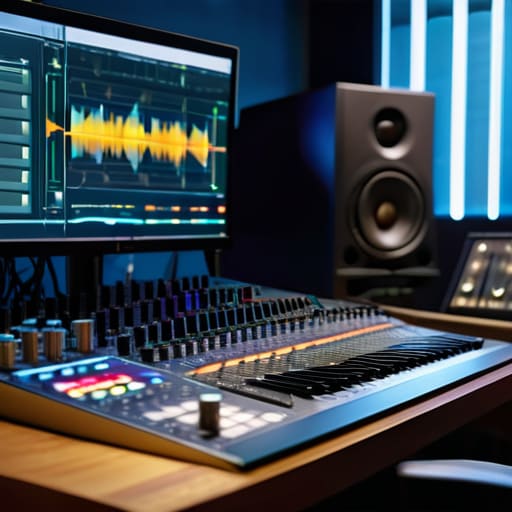
Once the production is wrapped and you’re sitting in the edit, the real heavy lifting begins. Most people think the job ends when the camera stops rolling, but that’s when the sonic landscape actually starts to take shape. A solid audio post-production workflow isn’t about slapping a limiter on a track and calling it a day; it’s about layering. You start by cleaning up the mess—taming the hiss and the hum—before you even think about the creative stuff. If you don’t get the foundation of the dialogue right, you’re just building a house on sand.
The next step is where the texture comes in. This is where you move into foley and sound effects integration, layering in the small, tactile sounds that make a room feel lived-in. A door closing shouldn’t just sound like a door; it should sound like that specific door in that specific room. You’re balancing the dialogue against the atmosphere, using subtle audio equalization techniques to make sure the voices don’t get swallowed by the environment. It’s a slow, iterative process of carving out space in the frequency spectrum so every element has its own seat at the table.
The Battle for Clarity Balancing Dialogue and Background Noise

You can have the most beautiful, shallow-depth-of-field shot in the world, but if the actor’s voice is fighting a losing battle against a hum from a refrigerator or the roar of a distant highway, the audience is going to check out. This isn’t just about cleaning up a mess; it’s about balancing dialogue and background noise so the story actually lands. I’ve sat in suites where we spent three hours just trying to pull a voice out of a muddy low-end frequency. It’s tedious, unglamorous work, but it’s the difference between a professional production and a home movie.
Usually, the fix isn’t a magic button. It starts with surgical audio equalization techniques to carve out space for the speech, followed by careful use of dynamic range compression to keep the levels consistent without crushing the life out of the performance. You want the environment to feel real, but you don’t want the room tone to swallow the subtext. If you treat the background as a separate entity rather than a competing force, you stop fighting the recording and start building a world.
How Audio Is Mixed for Video Without Losing the Soul

The mistake I see most often is the attempt to “fix” a scene by making everything loud. You’ve got a beautiful, moody shot with a single candle, but the audio is a flat, aggressive wall of sound that kills the tension. Mixing isn’t about making things audible; it’s about deciding what deserves to be heard. When we talk about sound design for filmmakers, we aren’t just talking about adding explosions. We’re talking about the subtle layers—the hum of a refrigerator or the distant wind—that tell the audience where they are without them even realizing it.
If you lean too hard on dynamic range compression for video, you end up with that “radio” sound—squashed, lifeless, and utterly devoid of any room to breathe. You lose the natural ebb and flow of the performance. A good mix respects the silence. You use audio equalization techniques to carve out space for the dialogue so it sits in the pocket, rather than fighting against the score or the ambience. It’s a delicate dance of subtraction. If you try to force the soul into the edit through sheer volume, you’ll find you’ve polished the life right out of it.
Sculpting Space via Stereo Imaging and Sound Design for Filmmakers
Once you’ve handled the heavy lifting of balancing dialogue and background noise, you’re left with a flat, two-dimensional soundscape that feels like it’s trapped inside the speaker. This is where we stop being technicians and start acting like cinematographers. Just as I wouldn’t frame a shot without considering the depth of field, you shouldn’t place a sound in a mix without considering its position in space. Stereo imaging in film audio isn’t about making things “wide” for the sake of it; it’s about using the left and right channels to build a room that the audience can actually inhabit. If a character is sitting by a window on the left, the ambient hum of the street shouldn’t just be a generic layer; it needs to sit there, giving the scene a sense of physical reality.
This is where sound design for filmmakers moves from mere utility to actual storytelling. You aren’t just layering noises; you are using foley and sound effects integration to reinforce the geography of the frame. If the camera moves, the sound should move with it—or, more importantly, it should resist the camera to create tension. When you treat the stereo field as a physical space rather than a technical setting, you stop fighting the gear and start using the air itself to tell the story.
The Final Polish Dynamic Range Compression and Foley Integration
You can have the cleanest dialogue in the world, but if the volume jumps from a whisper to a shout every time a door slams, you haven’t finished the job. This is where dynamic range compression for video comes in. It isn’t about squashing the life out of a performance to make it loud; it’s about taming the peaks so the audience doesn’t have to reach for the remote. I’ve seen too many beginners treat compression like a blunt instrument, leveling everything into a flat, lifeless slab of sound. You want to control the energy, not kill it.
Once the dialogue is sitting where it belongs, you need to breathe life back into the silence. This is the stage of foley and sound effects integration, where we move away from what was captured on the set and toward what the audience expects to feel. If a character walks across a wooden floor, I don’t just want to hear a recording of footsteps; I want to hear the weight of the character and the creak of the timber. It’s about layering texture to fill the gaps that a microphone simply cannot reach.
Five Ways to Stop Your Mix from Falling Apart
- Stop treating dialogue like it’s a separate entity from the room. If you clean up the background noise until the actor sounds like they’re speaking inside a vacuum, you’ve just broken the illusion of the space. A little bit of the original room tone is the glue that keeps the performance attached to the setting.
- Don’t let your foley become a percussion section. I’ve seen plenty of editors get excited about every footstep and cloth rustle, only to realize they’ve created a rhythmic distraction that fights the dialogue. Sound design should support the weight of the scene, not demand a spotlight every five seconds.
- Respect the hierarchy of the ear. In any given moment, the audience needs to know what to listen to. If the music is swelling and the dialogue is fighting for the same frequency space, you haven’t failed at music or speech—you’ve failed at prioritizing. Carve out a hole in the score for the voices; don’t just turn the music down and hope for the best.
- Watch your headroom like it’s your last roll of 16mm. It’s tempting to push everything into the red to make it feel “impactful,” but digital clipping is a permanent mistake. A mix that breathes with natural peaks and valleys will always feel more professional than one that’s been smashed into a flat, loud line of noise.
- Check your mix in the real world, not just the studio. I’ve spent hours perfecting a balance on high-end monitors only to realize it sounds like a tin can on a laptop or a phone. If your mix can’t survive a quick listen on mediocre speakers, you haven’t actually finished the job.
The Bottom Line
Stop looking for a magic plugin to fix a bad recording; if the source is a disaster of wind noise and clipping, you aren’t mixing, you’re performing an autopsy.
Audio is about depth and distance, not just volume—use your mix to build the space the camera can’t show, rather than just layering sounds until they fight each other.
Gear won’t save a muddy mix, but patience will; spend more time listening to the silence between the lines than you do fiddling with your EQ settings.
The False Promise of the High-End Sensor
I’ve seen shooters walk onto a set with a sixty-thousand-dollar camera package and act like they’ve already won, only to hand me a file where the dialogue is buried under a layer of room tone so thick you’d need a shovel to find it. You can buy all the resolution in the world, but you can’t buy your way out of a bad mix; if the audience is struggling to hear the subtext, they aren’t looking at your beautiful composition—they’re just waiting for the film to end.
Gethin Moreau
The Last Frame of Sound
At the end of the day, mixing audio isn’t about stacking plugins or chasing the cleanest waveform on a monitor; it’s about managing the relationship between what the audience sees and what they feel. We’ve talked about the technical slog—balancing dialogue against the room tone, carving out space in a stereo field, and using compression to keep things from jumping out of the speakers and hitting the viewer in the face. But none of those tools matter if you haven’t first understood the rhythm of the scene. You can have the most expensive Foley library in the world, but if it doesn’t serve the subtext of the performance, you’re just adding clutter to a frame that was already struggling to breathe.
My advice is simple: stop looking for the magic software that will fix a sloppy production. If your location sound was a disaster and your blocking was nonexistent, a high-end mix is just putting a silk tie on a corpse. Instead, focus on the intentionality of every sound you choose to keep. Learn to trust your ears more than your meters, and remember that sometimes the most powerful thing you can do for a scene is to let it be quiet. Build your soundscape with the same patience you use to set your lighting, and you might actually find that the work starts to feel whole.
