I once spent four hours sitting in a damp van outside a municipal building in South Wales, waiting for a permit clerk to sign a piece of paper that essentially meant I could stand on a sidewalk without being harassed. I had the right lenses, the right lighting plan, and a crew that was ready to roll, but I was paralyzed by the paperwork. There is a massive, misguided idea in this industry that you need a legal team and a massive production budget to figure out how to get permission to film in public or private spaces. People will tell you it’s all about the “proper channels” and “official documentation,” but most of the time, it’s actually about knowing who to talk to and how to not look like a threat when you show up with a tripod.
I’m not here to give you a lecture on municipal law or a checklist of expensive insurance riders you probably don’t need yet. Instead, I want to talk about the actual mechanics of the job: how to approach a shop owner without scaring them, how to navigate a city council, and how to handle the inevitable “no” so you can find a way to a “maybe.” I’ll show you how to secure your locations so you can focus on the light and the blocking, rather than looking over your shoulder for a security guard.
Understanding How to Get Permission to Film
Before you even think about packing the cases, you have to understand the fundamental divide between filming on public vs private property. It sounds simple, but the headache starts the moment you step off the sidewalk. If you’re on private land—a cafe, a studio, a friend’s living room—you’re negotiating with a person. They want to know you won’t break anything, but more importantly, they want to know you won’t disrupt their business. You aren’t just asking for space; you’re asking for a signature on filming location release forms so that nobody can come back six months later claiming you stole their likeness or their storefront.
When you move into the street, the game changes from a handshake to a bureaucracy. Dealing with a local council film permit application isn’t exactly the most soul-stirring part of the job, but it’s the difference between a smooth day and getting shut down by the police halfway through a setup. Most municipalities won’t even look at your request unless you can prove you have production insurance requirements met. They want to see that if a light stand tips over and cracks a window, there’s a way to pay for it. It’s tedious, I know, but it’s better to deal with the paperwork now than to deal with a lawsuit when the sun is already setting.
Key Things to Know
First, you need to understand the fundamental divide between filming on public vs private property. If you’re shooting in a park, you’re dealing with a local council film permit application and a bureaucracy that moves at the speed of a glacier. But if you’re shooting in a café or a warehouse, you aren’t dealing with the city; you’re dealing with a person. That person doesn’t care about your frame rate; they care about their business. You need to secure signed filming location release forms before a single light is rigged, because a verbal “sure, go ahead” from a shop owner is worth nothing when a lawyer or a landlord shows up halfway through your setup.
Then there is the reality of the paperwork that actually protects you. Most professional spaces won’t even let you through the door without proof of production insurance requirements. It’s a headache, I know, but it’s the difference between a minor accident and a career-ending lawsuit. Don’t let the paperwork stall your momentum; treat the logistics with the same discipline you treat your exposure settings. If you haven’t cleared the legal path, you aren’t filming—you’re just trespassing with expensive toys.
Practical Tips and Steps
First, you need to draw a hard line between filming on public vs private property. If you’re standing on a sidewalk, you might just be a guy with a camera, but the second you set up a tripod or a reflector, you’ve become a production, and that’s when the local authorities start looking for a permit. For anything involving a storefront, a park, or a studio, you aren’t just asking for a favor; you are negotiating a contract. Never skip the paperwork. Even if the owner seems like a lovely person who won’t mind you shooting a scene, you need signed filming location release forms in your pocket before the first light is rigged. It’s the only way to ensure your footage doesn’t become legally unusable once you hit the edit suite.
Once you’ve identified the spot, don’t just wing the logistics. If you’re working in a city, start your local council film permit application well before you think you need it. Bureaucracy moves at its own pace, and it doesn’t care about your golden hour. Most professional venues will also demand proof of your production insurance requirements before they let you through the door. It’s a headache, I know, but I’d much rather spend an afternoon filling out forms than an afternoon explaining to a property manager why their lobby is covered in cables.
Common Mistakes to Avoid
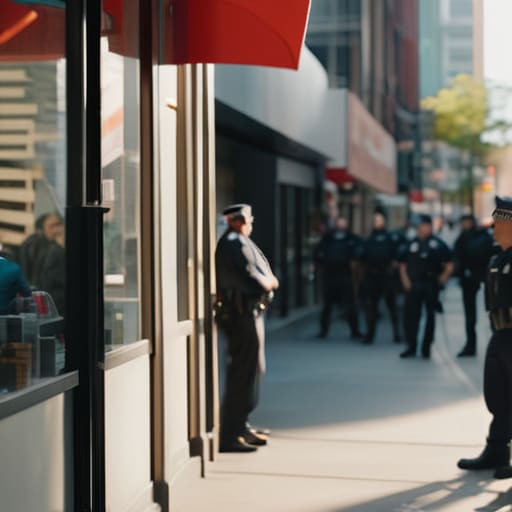
The biggest mistake I see is the assumption that “it’s just a quick shot” buys you a pass. You show up with a tripod and a small crew, thinking you’re flying under the radar, only to find out that filming on public vs private property isn’t as blurry a line as you think. A sidewalk might be public, but the moment you lean a C-stand against a storefront, you’re on private ground. If you don’t have the right paperwork, you aren’t just a filmmaker; you’re a trespasser, and nothing kills a production’s momentum faster than a local officer telling you to pack it up before you’ve even set your first light.
Then there’s the paperwork people treat like an afterthought. I’ve seen shoots grind to a halt because the producer forgot about production insurance requirements or neglected to secure signed filming location release forms from the people actually in the frame. It’s not just about being polite; it’s about protecting the work. If you don’t have those signatures, you don’t have a film—you have a liability that no distributor will touch. Don’t let a lack of due diligence turn your creative vision into a legal headache.
Final Thoughts
At the end of the day, you can have the most expensive Arri setup in the world, but if you haven’t cleared your path, you’re just a person with expensive glass standing in the way of someone else’s day. Whether you are navigating the bureaucracy of a local council film permit application or just trying to convince a shop owner to let you set up a tripod, the goal is the same: respect the space. Don’t let the paperwork feel like a hurdle designed to stop you; view it as the foundation that allows you to actually focus on the frame once the lights are up.
I’ve seen too many shoots grind to a halt because someone skipped the fine print on filming location release forms or assumed a handshake was enough. It rarely is. If you take the time to do the legwork upfront—sorting out your insurance and your permissions—you buy yourself something far more valuable than a clean shot: peace of mind. When the sun is hitting the subject just right and you finally get that coverage, the last thing you want to be doing is looking over your shoulder for a security guard.
Five Ways to Keep the Red Tape from Killing Your Production
- Don’t walk in blind with just a camera; have a one-page pitch that explains exactly what you’re doing, how long you’ll be there, and most importantly, how you aren’t going to get in anyone’s way. People aren’t afraid of the filming itself, they’re afraid of the chaos it looks like it might cause.
- Treat the local authorities like people, not obstacles. If you’re shooting on a street corner, talk to the shop owners first before you even bother with the city permit office. A handshake and a promise to stay out of their doorway goes further than a laminated piece of paper when things get complicated.
- Overestimate your footprint. If you think you need one tripod and a handheld rig, tell the person giving you permission that you’re bringing a light stand and a small crew. It’s a lot easier to scale down on the day than it is to explain to a police officer why you suddenly have three extra people and a generator blocking the sidewalk.
- Get it in writing, even if it feels formal. I’ve seen plenty of “handshake deals” with property owners evaporate the second a neighbor calls to complain about noise. A simple, signed permission slip might feel like overkill, but it’s the only thing that’ll save you when the owner changes their mind mid-setup.
- Always have a Plan B for when the “yes” turns into a “no.” I’ve been halfway through a setup only to have a security guard show up with a clipboard. If you haven’t scouted a nearby alley or a different angle that doesn’t require a permit, you’re not just losing the shot—you’re losing the entire day’s light.
The Bottom Line
Respect the space and the people in it; a bit of politeness and a clear explanation of what you’re doing will get you further than any permit ever could.
Plan for the bureaucracy before you plan for the lighting; nothing ruins a shot like having to pack up the whole rig because a local official decided you’re trespassing.
Don’t mistake a piece of paper for total freedom; even with a permit in hand, keep your footprint small and your crew quiet so you don’t become the very nuisance you’re trying to avoid.
## The Real Cost of a Shot
You can spend six months saving for a sensor that captures every nuance of a sunset, but all that technical precision is worthless if you’re spending your golden hour arguing with a site manager who doesn’t know you exist. Permission isn’t just paperwork; it’s the foundation of your shot list. If you haven’t secured the space, you haven’t actually planned the scene.
Gethin Moreau
The Bottom Line
At the end of the day, getting permission to film isn’t about filling out the right paperwork or having the most expensive kit on a dolly; it’s about respect and preparation. You need to know who owns the dirt you’re standing on, have your permits in order before the sun hits the horizon, and—most importantly—have a plan that doesn’t involve asking for favors when you’re already behind schedule. If you’ve done the legwork, cleared the legal hurdles, and communicated your intent to the people in charge, you won’t spend your shoot looking over your shoulder for a security guard. You’ll spend it looking through the viewfinder, which is exactly where you ought to be.
I’ve seen shoots fall apart because someone thought they could “wing it” with a small crew and a handheld rig, only to have the local authorities shut them down mid-take. It’s a waste of time, a waste of light, and a waste of everyone’s money. Don’t let the logistics become the story. Do the boring work upfront so that when you finally get that perfect, fleeting moment of light, you can actually capture it without the world crashing in on you. The best shots aren’t just about where you place the camera, but about the peace of mind that allows you to stay there long enough to get them.
