I spent most of the nineties watching a meter run, knowing that every foot of film we pushed through the gate cost more than a decent lunch. That scarcity forced a discipline that today’s YouTube “gear gurus” seem to have completely forgotten. They’ll tell you that you’re one $50,000 sensor away from a cinematic look, but they’re selling you a fantasy. If you’re currently staring at your bank account and wondering how to build a kit over time without falling into the trap of buying shiny, useless junk, you’re already ahead of the curve. The truth is, most of the gear you think you need is just expensive noise designed to distract you from the fact that you haven’t mastered your current light source.
I’m not here to give you a shopping list of everything that’s trending on Instagram. Instead, I want to talk about the few pieces of equipment that actually change the way you see a frame. I’ll show you how to prioritize tools that expand your coverage and solve real problems, rather than just adding weight to your bag. We’re going to focus on a slow, deliberate progression—buying only what moves the needle—so you can build a kit that actually serves the story instead of just draining your budget.
The Fallacy of the Full Kit and How to Build a Kit Over Time
I’ve seen it a hundred times: a kid lands their first decent gig, gets a paycheck, and immediately rushes to a website to buy a “complete” production package. They think that having a bag full of expensive glass and a cinema rig makes them a cinematographer. It doesn’t. It just makes them a person with a lot of debt and a very heavy case. The idea that you need everything upfront is a lie sold by people who make money moving boxes.
Instead, you need to embrace a phased collection strategy. You don’t need a third prime lens if you haven’t even mastered the exposure on your first one. Real growth comes from incremental kit acquisition—buying only what solves a specific, recurring problem you encountered on set. If you find yourself constantly struggling because your tripod is shaky, buy a better tripod. If your lighting is muddy, buy a bounce board or a single LED before you even look at a new camera body. This kind of modular equipment planning ensures that every dollar you spend actually translates into a better image, rather than just more clutter in your closet.
The Essential Gear Checklist Solving Problems Not Just Collecting Objects
When I look at a gear list, I don’t see a collection of tools; I see a list of potential failures. If you approach your kit as a series of solutions to specific problems, you’ll find much more success than if you treat it like a shopping spree. Instead of chasing every new release, adopt a phased collection strategy where each purchase earns its keep by solving a recurring headache. If you find yourself constantly fighting shadows in your interviews, don’t buy a new camera; buy a solid key light and a way to control it. If your footage looks amateur because it’s shaky, invest in a tripod or a gimbal before you even look at a higher resolution sensor.
This isn’t about being cheap; it’s about modular equipment planning. You want to build a kit where every piece talks to the others. A lens that works with your current body, a battery system that doesn’t leave you stranded mid-scene, and lighting that can be squeezed into a corner. If a piece of gear doesn’t expand your ability to cover a scene or improve the texture of your image, it’s just a heavy object taking up space in your bag.
A Phased Collection Strategy for Those Who Value Light Over Resolution
If you’re looking for a way to manage your money without feeling like you’re constantly falling behind the tech curve, you need a phased collection strategy. I’ve seen too many young shooters blow their entire savings on a high-end body, only to realize they’re shooting beautiful 6K files in a dark room with nothing but a tiny, useless on-camera LED. Instead of chasing every spec bump, treat your gear like a construction project. Start with the foundation—the things that allow you to manipulate the environment—and let the camera be the last thing that truly evolves.
This kind of incremental kit acquisition works because it forces you to master the fundamentals of light and movement before you have the luxury of high resolution to hide your mistakes. Buy a decent light kit first. Then a solid tripod. Then a set of primes that actually have character. By the time you finally upgrade that sensor, you’ll actually know how to use the dynamic range you’ve paid for. It’s about building capability, not just accumulating boxes.
Modular Equipment Planning Buying for the Scene Not the Spec Sheet
Stop looking at the spec sheet and start looking at your calendar. Most people approach gear acquisition by chasing a list of features, but a professional approach relies on modular equipment planning. You shouldn’t be buying a camera because it has more stops of dynamic range; you should be buying it because you have a client next month who needs a specific look or a specific footprint. If you’re shooting run-and-gun documentaries, a heavy cinema rig is just a liability, no matter how many buttons it has.
Instead of a blind shopping spree, treat your kit like a puzzle. Every piece you add should solve a specific limitation of your current setup. This is where a phased collection strategy actually pays dividends. If you lack lighting, don’t buy a sharper lens; buy a bounce board or a small LED panel. If you lack stability, get a decent tripod before you even think about a gimbal. This kind of incremental kit acquisition ensures that when you finally do drop a significant amount of money on a body or a prime set, you aren’t left with a beautiful camera that has nothing to support it.
Incremental Kit Acquisition Why Your Next Lens Matters More Than Your Camer
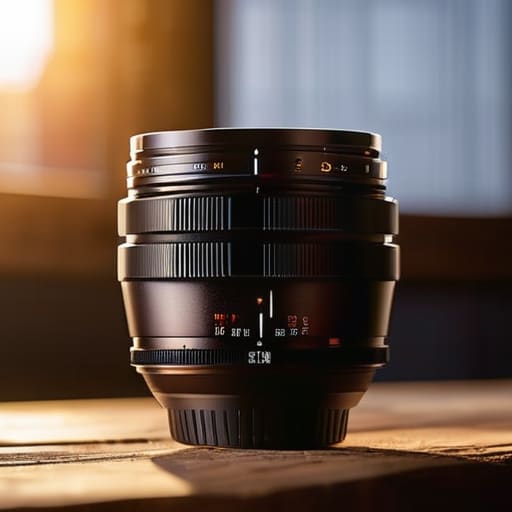
I’ve seen it a dozen times: a shooter spends six months scraping together enough for a new body with a slightly higher dynamic range, only to realize they’re still shooting through a kit lens that turns every beautiful sunset into a muddy, flat mess. It’s a trap. If you want to actually improve your images, you need to embrace a phased collection strategy that prioritizes glass over sensors. A new camera body is just a more expensive way to record the same mediocre light you’ve always had. A prime lens, however, changes how you see the world; it dictates your depth of field, your relationship to the subject, and how you handle the shadows.
When you’re practicing incremental kit acquisition, stop looking at the spec sheets for the next big sensor release and start looking at your failed shots. Did the image lack character? Get a lens with better coatings or a more distinct rendering. Was the compression wrong? Get a telephoto. A well-chosen lens is a tool that solves a problem; a new camera is often just a way to spend money you should have saved for a better light kit.
Long Term Hobby Budgeting and the Art of Cost Effective Kit Assembly
If you’re treating this like a hobby, you have to stop looking at gear through the lens of a consumer and start looking at it like a professional managing a slow-burn budget. Most people treat equipment like a grocery list—they see something they want, they buy it, and then they realize they can’t afford the lighting to actually use it. Real long-term hobby budgeting isn’t about deprivation; it’s about discipline. It’s about deciding that instead of buying a secondary body you’ll rarely use, you’re going to put that money toward a single, high-quality prime lens that will actually change the way you see a frame.
The trick to cost-effective kit assembly is resisting the urge to buy “complete” bundles. Those kits are designed by manufacturers to move inventory, not to solve your specific creative hurdles. I’ve seen more people stumble because they had a massive kit of mediocre tools than because they had a tiny kit of exceptional ones. Build your foundation on the basics, then let your actual work dictate the next purchase. If you find yourself constantly fighting shadows, your next dollar goes to a light, not a new sensor.
Five Rules for Not Going Broke While Getting Better
- Buy for the problem you actually have, not the one you imagine you’ll have. If you’re struggling to make your interiors look less like a basement, don’t buy a more expensive body; buy a decent COB LED and a way to flag the light.
- Prioritize glass that moves you. A mediocre camera with a beautiful, characterful lens will always beat a high-resolution sensor paired with cheap, clinical plastic. If the lens doesn’t change how the light hits the sensor, leave it on the shelf.
- Treat your kit like a toolkit, not a collection. Every piece of gear you bring into your bag should earn its weight by solving a specific, recurring headache. If you haven’t reached for it in three jobs, it’s just expensive luggage.
- Master the “unsexy” essentials before the shiny stuff. You can have the best camera in the world, but if you don’t have reliable media, decent batteries, and a way to stabilize the image, you aren’t a cinematographer—you’re just a person with an expensive paperweight.
- Buy used, but buy smart. Most of the gear that defines a “look” was built twenty years ago and is sitting in a second-hand shop for a fraction of the price of a new mirrorless rig. Learn to inspect a lens for fungus and a tripod for stability; that’s where the real value is.
The Bottom Line
Stop chasing the spec sheet and start chasing the problem; if a new piece of gear doesn’t solve a specific limitation in your current workflow, it’s just an expensive paperweight.
Prioritize the tools that dictate your look—like glass and light modifiers—over the sensor, because a better lens will do more for your image than a slightly higher resolution ever will.
Build your kit with intention rather than impulse, remembering that the most versatile tool you own is the ability to make a mediocre setup look intentional through better blocking and lighting.
The Gear Trap
Stop looking at spec sheets like they’re holy scripture; a new sensor won’t fix a poorly lit room, but a better lens and a bit of patience might actually teach you how to see. Build your kit around the problems you can’t solve with a dimmer switch, not the ones you think a credit card can fix.
Gethin Moreau
The Long Game
At the end of the day, building a kit isn’t about checking boxes on a spec sheet or chasing the latest sensor release; it’s about solving the specific problems you encounter on set. We’ve talked about why you need to prioritize light and coverage over resolution, why a single good lens will serve you longer than a body with too many mount options, and why a modular approach keeps you from drowning in gear you can’t actually use. If you focus on buying tools that expand your ability to tell a story—rather than just tools that make your kit look more expensive—you’ll find that your progression is much more stable. Remember, the goal is to build a toolkit that actually changes the work, not just a collection of shiny objects that sit in a Pelican case.
I’ve spent decades watching people walk onto sets with sixty thousand dollars’ worth of glass and zero idea how to shape a shadow. It’s a mistake you don’t have to make. Take your time. Buy the light first, then the glass, and let the camera be the last thing you worry about. If you approach your kit with the same patience and intention that you bring to your lighting setups, you won’t just be a person with a camera; you’ll be a cinematographer. The gear will eventually catch up to your eyes, but your vision has to lead the way.
