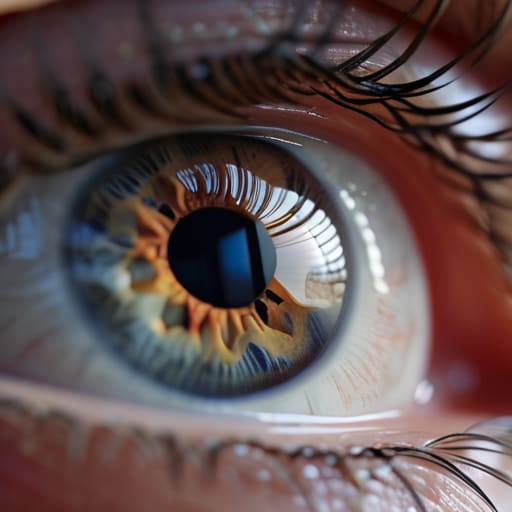
I spent three hours on a freezing set in South Wales back in ’98, arguing with a director who wanted to shoot every single line of dialogue in a tight close-up because he thought it looked “intimate.” He had a beautiful Arri, but he had no idea how shot size communicates anything beyond a sweaty forehead. We were drowning in faces, losing every sense of where the characters actually were in the room, and ultimately, the scene was un-cuttable because there was no visual breath. It’s the same mistake I see every week now: people think a tighter frame equals more emotion, when usually, it just means you’ve run out of ideas for the blocking.
I’m not here to give you a textbook definition of a medium shot or a lecture on focal lengths. My goal is to show you how to use distance to actually tell a story, rather than just filling a sensor with skin tones. We’re going to talk about the relationship between the lens and the space between your actors, and why knowing when to pull back is often more important than knowing which lens to buy.
Distance Is the Real Narrative How Shot Size Communicates
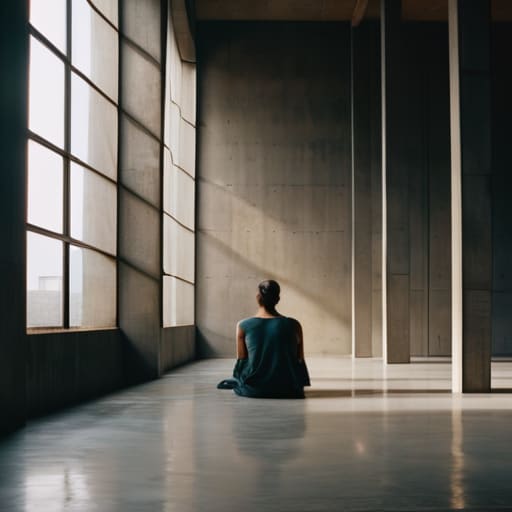
We spend too much time arguing about whether a 35mm or a 50mm feels “more cinematic,” when we should be talking about the physical space between the lens and the subject. The truth is, the distance dictates the intimacy, and if you don’t respect that, no amount of high-end glass will save your scene. When I’m setting up, I think about the air in the room. An establishing shot vs close up isn’t just a change in scale; it’s a shift in how much information the audience is allowed to process. If you’re too far away, you’re observing a world; if you’re too close, you’re trapped inside a thought.
This is where cinematic framing psychology actually happens. You don’t need a fancy dolly move to create tension; you just need to understand how much breathing room a character has. If you crowd them with a tight frame, you’re forcing the audience to feel their claustrophobia. If you pull back, you’re showing their isolation. It’s about the relationship between the subject and their environment, not the resolution of the sensor.
Beyond the Sensor Cinematic Framing Psychology and Scale
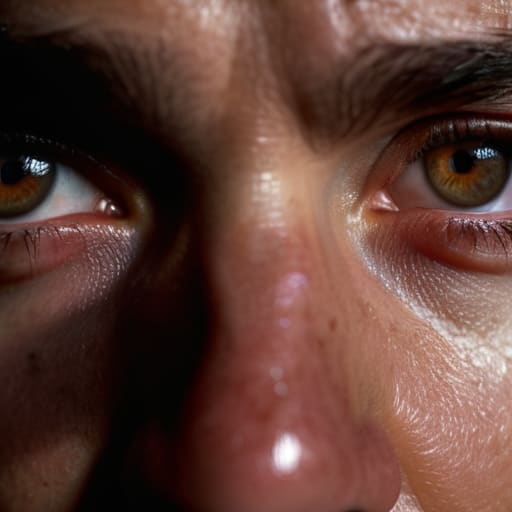
We spend far too much time arguing over dynamic range and bit depth, as if a cleaner file will somehow fix a scene that lacks a point of view. But the real work happens in the space between the subject and the glass. When we talk about cinematic framing psychology, we aren’t just talking about following a rulebook; we’re talking about how much room you give a character to breathe—or how much you take away. If you crowd a subject with a tight frame, you aren’t just getting a close-up; you are physically imposing a sense of claustrophobia or intimacy that the audience feels in their gut before they even process the dialogue.
It’s a matter of scale. You can use an establishing shot vs close up comparison to dictate the entire emotional temperature of a sequence. A wide shot tells us where we are, sure, but it also tells us how much the world dwarfs the person standing in it. If you want to shift the mood, don’t reach for a new filter; reach for the tripod. Understanding these visual storytelling techniques means realizing that every inch of distance is a choice about power, isolation, or connection.
The Establishing Shot vs Close Up Choosing Your Distance
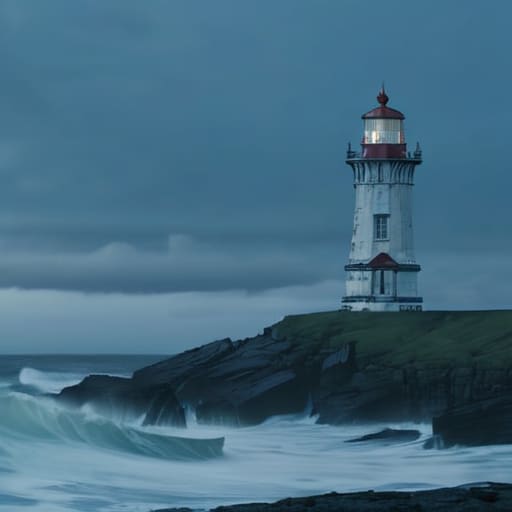
I’ve spent too many afternoons watching junior shooters panic because they feel they need to be “in the action” at all times. They jump straight to the tightest frame possible, thinking intimacy is synonymous with quality. But if you start with a close-up, you’ve already burned your most valuable currency. You’ve told the audience exactly where to look before they even know where they are. An establishing shot isn’t just a way to show the audience a building or a landscape; it’s about setting the physical and emotional boundaries of the world. It provides the context that makes the subsequent intimacy meaningful.
When you finally move from that wide perspective into a tight frame, you aren’t just changing the scale; you are shifting the narrative through lens choice. The jump from a wide, lonely exterior to a tight, suffocating close-up is where the real tension lives. If you skip the setup and go straight to the eyes, you lose the ability to contrast the character’s internal state against their environment. Don’t just show me a face; show me the room that’s closing in on them.
Mastering Visual Storytelling Techniques Through Lens Choice
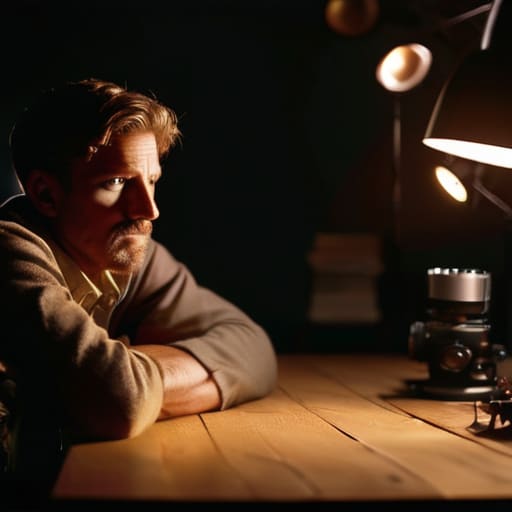
Now, I know what you’re thinking. You’ve seen the charts. You know that a 35mm looks different from an 85mm. But stop treating your lens kit like a math problem and start treating it like a psychological tool. The mistake I see most often—usually from people who just bought their first “cinema” prime set—is thinking that a long lens is inherently more “cinematic” because it compresses the background. It isn’t. If you use a telephoto to isolate a character without considering the narrative through lens choice, you aren’t creating depth; you’re just creating a vacuum. You have to ask yourself if the compression serves the story or if you’re just hiding a messy set because you couldn’t afford a better location.
True visual storytelling techniques rely on how the glass interacts with the space around the subject. A wide lens doesn’t just “show more”; it pulls the audience into the environment, making them a witness to the character’s reality. Conversely, a tight lens can feel like an interrogation or a sanctuary, depending entirely on where you place the light and how much breathing room you leave in the frame. Don’t just pick a focal length because it looks pretty in the monitor; pick it because it dictates how much the audience is allowed to see—and more importantly, what you’re forcing them to feel.
The Emotional Weight of Camera Angle Emotional Impact
Once you’ve sorted out your distance, you have to deal with the tilt. People tend to treat the camera angle as an afterthought—something you adjust once the tripod is leveled—but the tilt is where you actually start to manipulate the audience’s gut reaction. A low angle isn’t just a way to make a character look tall; it’s a way to make them feel imposing or even predatory. If you’re looking up at someone, you’re instinctively putting them in a position of power. Conversely, when you drop the camera down to eye level or slightly below, you’re inviting the viewer into a space of vulnerability. It’s one of those fundamental shot composition principles that works regardless of whether you’re shooting on a $50k Alexa or an iPhone.
The real mistake I see is people trying to fix a lack of tension by swapping a lens, when they should be adjusting the height of the sensor. If a scene feels flat, it’s usually because your camera is sitting at a neutral, “polite” height that tells the audience nothing about the power dynamics in the room. You can use a high angle to strip a character of their agency, making them look small and trapped within the frame, or use a slight Dutch tilt to signal that the world itself is off-kilter. This is the core of camera angle emotional impact: it’s not about the technicality of the tilt, it’s about the psychological weight of where the viewer is standing in relation to the subject.
Applying Shot Composition Principles Without Expensive Gear
Look, I’ve seen more beautiful images shot on a smartphone with a single window for light than I have on $50,000 Alexa setups that were poorly blocked. If you’re waiting for a cinema prime kit to start practicing your shot composition principles, you’re just making excuses. The gear doesn’t create the depth; your relationship to the subject does. You don’t need a dolly track to create a sense of scale; you just need to know where to stand. If you want to change the energy of a scene, don’t reach for a new filter—move the tripod three feet to the left or change your height relative to the actor.
The real work happens in the space between the lens and the subject. You can master cinematic framing psychology using nothing but the geometry of the room you’re already in. Use a doorway to frame a character, or use the shadow from a cheap LED to create a sense of isolation. It’s about how you use the existing environment to dictate the mood. Stop looking at the spec sheet and start looking at the way the light hits the wall; that’s where the story actually lives.
Five Ways to Stop Using Shot Size as a Placeholder
- Stop using the wide shot just because you have the space; if you aren’t using that distance to establish a relationship between the character and their environment, you’re just wasting precious seconds of screen time.
- Don’t jump to a close-up the moment a character gets sad; sometimes the most devastating way to show isolation is to keep them in a medium shot where they look small and swallowed by the frame.
- Think about the “cut” before you roll the camera; if you’re shooting a tight close-up, make sure you’ve actually covered the context of the scene, otherwise your editor is going to be staring at a blank screen trying to figure out where on earth we are.
- Use your shot sizes to control the information flow; a medium shot tells us what they are doing, but a close-up tells us how they feel about doing it—don’t give away the emotion before the audience has even met the character.
- Respect the eyeline within your framing; a shot size only works if the character’s gaze has somewhere to land, so whether it’s a wide or a tight, make sure the distance between the subject and their focus is part of the story you’re telling.
The Bottom Line
Stop looking at your spec sheet and start looking at the space between your subject and the lens; shot size is a tool for measuring emotion, not just a way to fill a frame.
Coverage isn’t about having every angle possible, it’s about having the right distances to ensure the edit can actually breathe and tell a coherent story.
A more expensive sensor won’t fix a shot that lacks purpose, so spend your time thinking about the light and the blocking before you worry about the gear.
The Illusion of the Lens
You can buy the sharpest glass on the market, but if you don’t understand the distance between the subject and the viewer, you’re just capturing high-resolution nothing. A close-up isn’t just a way to show a face; it’s an invitation into a character’s private thoughts, and a wide shot isn’t just scenery—it’s the weight of the world pressing down on them. Stop looking at the specs and start looking at the space.
Gethin Moreau
The Long View
At the end of the day, we’ve covered a lot of ground, from the psychological weight of a tight close-up to the way a wide shot can make a character feel like a ghost in their own life. But if you walk away with nothing else, remember this: shot size isn’t a technical checklist or a way to fill a runtime. It is a tool for managing empathy. Whether you are using a long lens to compress space and create tension or a wide to show the crushing scale of a setting, you are making a choice about how much of the truth you want to let the audience see. Stop looking at your monitor as a collection of pixels and start seeing it as a map of human emotion.
I know the temptation to go out and buy a new set of primes to “fix” your look, but that’s a distraction. The best camera in the world won’t help you if you don’t understand why you’re standing ten feet further back than you were in the last scene. True cinematography happens in the space between the subject and the lens, in the decisions you make before you even touch the power switch. Put down the spec sheets, look at your light, and trust your eyes. The story is already there; your job is simply to find the right distance to tell it.
